Watertown, MA · Middlesex County
Black Mold Remediation & Removal in Watertown, MAMold Containment Procedures & Black Mold Inspection
Black Mold Remediation & Removal in Watertown features black mold inspection, HEPA vacuuming for mold spores, and moisture source correction for mold abatement.
Answered 24/7
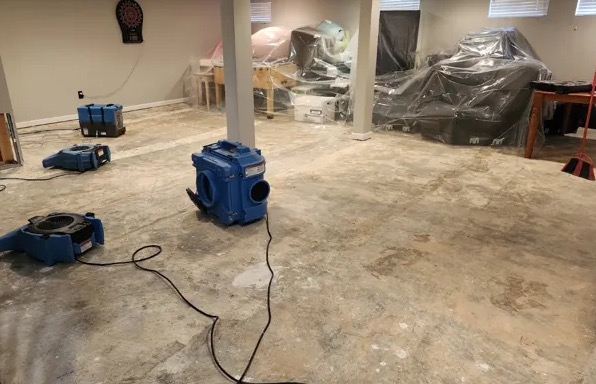
Black Mold Remediation & Removal: Solutions for Watertown Homes
For homes in Watertown, the mold remediation process must be thorough to prevent recurrence. Black mold cleanup involves more than surface wiping; it requires penetrating treatments and air quality testing to confirm spore levels are safe.
Local black mold remediation pros in Watertown implement mold containment procedures and antimicrobial treatment for mold remediation to combat persistent growth. Their process includes air quality testing and moisture source correction, serving properties in Watertown and nearby communities like Belmont, Newton and Waltham.
Black Mold Remediation & Removal Methods Used in Watertown
Mold Containment Procedures
Containment keeps spores out of clean areas of the home during removal.
Black Mold Inspection
Inspection for black mold involves checking common problem areas like bathrooms, under sinks, and around plumbing leaks. This initial assessment helps the pros in Watertown develop the most effective strategy for removal and cleanup.
HEPA Vacuuming for Mold Spores
After material removal, HEPA vacuuming is performed on all surfaces within the contained area. It removes settled spores and fine dust after demolition.
Post Remediation Verification
A final verification step provides documentation that the remediation process has been successfully concluded. This assessment checks that all agreed-upon work has been completed to standard.
Antimicrobial Treatment for Mold Remediation
For homes in Watertown, antimicrobial application by the experts is a proactive measure. This treatment is applied to cleaned surfaces to help guard against subsequent spore colonization.
Warning Signs You Need Black Mold Remediation & Removal
Mold Recurrence After Cleaning
If mold returns quickly after you clean it, the moisture source was never fixed.
Black Dust Around Vents
Dark dust collecting around air supply vents can indicate mold spores are being distributed through your HVAC system.
Peeling Paint or Wallpaper
Paint bubbling or wallpaper peeling away from the wall is often caused by moisture trapped underneath, which fuels mold growth.
Condensation on Windows
Excessive condensation on windows or cold surfaces signals high indoor humidity, a primary factor for black mold in walls.
How Black Mold Remediation & Removal Works in Watertown
Step 1: Assessment and Action Plan
The service starts with a professional mold inspection to identify all growth and moisture issues, forming the blueprint for the entire mold remediation project.
Step 2: Establishing a Controlled Environment
To safely perform toxic mold removal, pros set up containment with negative air pressure and run industrial air scrubbers to protect the property's air quality.
Step 3: Eradication and Deep Cleaning
Mold-contaminated material removal is performed for porous items. Remaining structures are cleaned with HEPA vacuums and treated with antimicrobial agents.
Step 4: Validation and Preventive Advice
Post remediation verification, including possible air quality testing, confirms the cleanup. The pros also help fix the moisture cause.
Typical Sources Requiring Black Mold Remediation
Roof Leaks and Plumbing Failures
Slow roof or pipe leaks put moisture into wall cavities and ceilings, where mold grows unseen.
Flooding From Storms or Appliances
Major water intrusion from storms or appliance failures soaks building materials. Prompt water extraction and drying help keep mold from starting.
Landscaping and Grading Issues
Soil sloping toward the foundation or dense planting against walls directs water into the structure, a key factor for mold prevention failure.
Condensation on Cold Surfaces
Warm, moist air contacting cold pipes, windows, or exterior walls causes condensation, which soaks into materials and feeds mold growth.
Residential and Commercial Black Mold Remediation & Removal in Watertown
Residential Black Mold Remediation & Removal
Bathrooms and kitchens are high-risk residential areas for mold due to steam and leaks. The mold remediation process here focuses on moisture source correction and antimicrobial treatment to prevent regrowth.
Commercial Black Mold Remediation & Removal
Restaurants and fitness centers face unique mold risks from constant humidity and water use. Specialists in mold damage restoration address these environments with aggressive drying and material removal protocols.
When to Handle Mold Yourself vs. Call Black Mold Remediation Pros
Regularly checking for and repairing minor plumbing leaks under sinks or around toilets is a good DIY maintenance step. When a leak has caused extensive moisture damage or hidden mold growth, professional mold inspection and containment are necessary for safe removal.
Understanding Black Mold Remediation & Removal Cost in Watertown
In Watertown, the final cost is set after an inspection identifies all affected materials and any testing that is needed.
Air Scrubber Requirements
The number and size of HEPA filtration units needed to clean the air during the mold remediation process influence equipment fees.
Material Removal Volume
The amount of drywall, insulation, or flooring that is unsalvageable and requires disposal affects debris hauling and replacement costs.
Containment Complexity
Sealing off the work area with barriers to prevent spore spread during mold removal increases setup time and material needs.
Does Insurance Cover Black Mold Remediation & Removal?
Mold removal is covered only if your policy includes it and the mold came from a covered water loss. The pros document the damage for your claim, and the insurer makes the decision.
Reasons to Select Local Pros in Watertown for Mold
Comprehensive Mold Inspection
An assessment using moisture meters and visual checks identifies all affected areas, including hidden mold within wall cavities.
Moisture Source Identification
Fixing the water problem, like a leak or condensation, keeps mold from returning.
Industry-Standard Remediation Methods
Containment, removal and cleaning take out mold colonies and help prevent regrowth.
24/7 Black Mold Remediation & Removal Help in Watertown
Black mold cleanup is time-sensitive. If you have visible mold or a persistent musty odor, reach out immediately. Dial (617) 682-9090 for emergency mold removal services any hour.
Call Now (617) 682-9090Black Mold Remediation & Removal Service Area Including Watertown
Other places served are listed below, each with its own page.
- Black Mold Remediation & Removal in Newton
- Black Mold Remediation & Removal in Waltham
- Black Mold Remediation & Removal in Reading
- Black Mold Remediation & Removal in Lexington
- Black Mold Remediation & Removal in Burlington
- Black Mold Remediation & Removal in Peabody
- Black Mold Remediation & Removal in Milton
- Black Mold Remediation & Removal in Quincy
Common Black Mold Remediation & Removal Questions Answered
Why is air scrubber installation used for mold?
Air scrubbers with HEPA filters continuously clean the air inside the containment zone, capturing airborne mold spores released during the removal and cleaning process.
How long does professional mold removal take?
Project duration depends on the extent of mold and accessibility. A small, contained area may take a day, while whole-house remediation can require several days.
Can mold return after professional remediation?
Mold can return if the original moisture source is not correctly identified and fixed. Lasting mold prevention relies on eliminating the water problem.
What is the black mold remediation process?
The process covers inspection, containment, removal of contaminated materials, HEPA vacuuming, antimicrobial treatment and verification testing.
What is antimicrobial treatment for mold remediation?
After cleaning, EPA-registered antimicrobial agents are applied to the decontaminated structural surfaces to inhibit any remaining mold spores from regrowing.