Everett Heights, MA
Black Mold Removal from Water Damage in Everett Heights, MAContaminated Material Removal & Black Mold Air Filtration
Black Mold Removal from Water Damage in Everett Heights starts with a black mold inspection and water damage source containment.
Answered 24/7
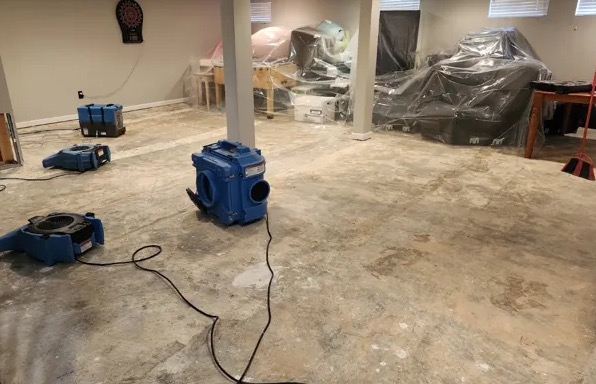
Addressing Black Mold Removal from Water Damage Needs in Everett Heights
Mold removal is essential after water damage in the Everett Heights area. Black mold remediation requires specialized methods. Local specialists use antimicrobial application and drying.
In Everett Heights, black mold removal from water damage is a common service. Local water damage pros handle inspections, treatments, and structural repairs. Their 24/7 availability addresses emergency mold removal needs.
Comprehensive Black Mold Removal from Water Damage Services in Everett Heights
Contaminated Material Removal
This step involves the careful extraction of unsalvageable, mold-infested building materials. Proper removal and disposal are critical to stopping the growth cycle in Everett Heights properties.
Black Mold Air Filtration
Air filtration addresses mold spores released into the air. Using industrial-grade HEPA equipment, mold remediation pros clean the air during the water damage restoration process.
Black Mold Inspection
A black mold inspection in Everett Heights identifies moisture sources and visible growth. Specialized tools detect hidden mold, guiding the remediation plan.
Post-Remediation Verification Testing
Final clearance testing involves collecting air and surface samples after the job is complete. The results are compared to outdoor baselines to verify successful remediation.
Mold Spore Treatment
Applying antimicrobial agents to cleaned surfaces is a final defense against regrowth. The pros use this treatment to help keep areas dry and protected following black mold removal services.
Symptoms Calling for Black Mold Removal from Water Damage in Everett Heights
Recent Water Damage Events
Any past flooding, leaks, or high humidity can lead to black mold. Mold can start growing within 24-48 hours after water exposure.
Damp or Wet Drywall
Drywall that feels damp or soft to the touch likely contains moisture. This material can harbor black mold if not dried properly.
Peeling Paint or Wallpaper
Bubbling or peeling surfaces often conceal moisture and black mold growth underneath. This is a common sign in water-damaged walls.
Increased Allergy Symptoms
Unexplained coughing, sneezing, or itchy eyes indoors may indicate mold spores. Black mold removal services address these air quality issues.
How Black Mold Removal from Water Damage Works in Everett Heights
Step 1: Black Mold Inspection and Testing
The experts begin with a thorough assessment to identify all black mold growth and moisture sources. They document the extent for your records and to support any insurance claim discussions.
Step 2: Water Damage Source Containment
The affected area is sealed off with physical barriers to prevent cross-contamination. This critical step in the mold remediation process stops spores from spreading during black mold removal.
Step 3: HEPA Vacuuming and Contaminated Removal
Using HEPA-filtered equipment, the experts remove moldy porous materials like drywall and insulation. Air scrubbers run continuously to clean the air during this toxic mold removal phase.
Step 4: Antimicrobial Treatment and Drying
All remaining surfaces receive an antimicrobial application to inhibit regrowth. Industrial dehumidifiers and air movers then complete the structural drying to prevent future mold after water damage.
Common Causes of Water Damage in Everett Heights
Burst or Leaking Pipes
Plumbing failures inside walls or under sinks release significant water. This requires both water extraction and mold removal to fully resolve.
Poor Ventilation in Bathrooms
Inadequate exhaust fans let steam soak into walls and ceilings. The consistent dampness leads to mold after water damage from daily use.
Flooding from External Sources
Heavy rainfall or overflowing bodies of water can flood a property. This major water intrusion demands comprehensive water damage restoration services.
Foundation Cracks and Seepage
Cracks in your foundation allow groundwater to enter the structure. This constant moisture source makes mold prevention after water damage challenging.
Residential and Commercial Black Mold Removal from Water Damage in Everett Heights
Residential Black Mold Removal from Water Damage
Black mold removal in homes protects health and structure. The experts address contaminated living spaces, bedrooms, and bathrooms using IICRC-standard methods for safety.
Commercial Black Mold Removal from Water Damage
The experts in Everett Heights address black mold from water damage for businesses. Their work in offices and retail focuses on minimizing downtime through thorough containment.
Black Mold Removal from Water Damage vs. DIY: When to Call Local Experts
Regularly inspecting a home for leaks is preventive. Finding black mold or extensive damage makes DIY risky due to exposure. Professional removal follows strict safety standards.
Understanding Black Mold Removal from Water Damage Cost in Everett Heights, MA
Pricing for black mold removal in Everett Heights varies with mold toxicity and labor for containment. Disposal of contaminated materials and antimicrobial application influence the cost.
Access and Location
Difficult-to-reach areas like crawlspaces or tight attics increase labor time and complexity for the pros, raising the project's cost estimate.
Containment Complexity
Establishing critical barriers and negative air pressure with HEPA filtration to prevent cross-contamination during contaminated material removal adds to equipment and setup expenses.
Post-Remediation Verification
Independent clearance testing via post-remediation verification to confirm successful mold removal is a definitive, non-negotiable final step with its own associated fee.
Does Insurance Cover Black Mold Removal from Water Damage?
Homeowners insurance and black mold removal relate to the moisture source. During inspection, professionals gather evidence linking mold to the water damage. This documentation is for the homeowner's claim submission.
Why Choose Local Experts for Black Mold Removal from Water Damage in Everett Heights
Comprehensive Moisture Detection
Using professional-grade meters and sensors, pros identify all hidden moisture to ensure complete structural drying and dehumidification.
Clear Post-Remediation Verification
Independent testing after cleanup provides objective confirmation that the mold removal is complete and the area is safe.
Source Identification and Containment
The first step is locating and stopping the water source to prevent ongoing damage that fuels mold growth.
24/7 Emergency Black Mold Removal from Water Damage in Everett Heights
Water damage restoration needs in Everett Heights can arise at any hour, leading to mold. For 24/7 emergency service from the professionals, call (617) 682-9090. The experts respond to begin drying.
Call Now (617) 682-9090Black Mold Removal from Water Damage Availability in the Everett Heights Region
The places below are also served, and each one has its own page.
- Black Mold Removal from Water Damage in Arlington
- Black Mold Removal from Water Damage in Belmont
- Black Mold Removal from Water Damage in Boston
- Black Mold Removal from Water Damage in Brookline
- Black Mold Removal from Water Damage in Cambridge
- Black Mold Removal from Water Damage in Chelsea
- Black Mold Removal from Water Damage in Everett Square
- Black Mold Removal from Water Damage in Ferry Street
Your Black Mold Removal from Water Damage Questions Addressed
How do professionals perform black mold inspection and testing?
Inspection involves visual assessment and moisture mapping. Air and surface sampling can identify mold type and concentration, helping plan the remediation process.
How quickly should I address mold after water damage?
Mold can grow within 24-48 hours in damp conditions. Immediate water extraction and professional drying are crucial. This prevents or minimizes mold growth and extensive remediation.
Is HEPA vacuuming and air scrubbing necessary for all mold jobs?
HEPA filtration is a standard for professional mold cleanup services. It captures microscopic spores during work and scrubs the air clean both during and after remediation.
How does antimicrobial application and treatment prevent future mold?
After cleaning, EPA-registered antimicrobial agents are applied to exposed structural surfaces. These treatments inhibit the growth of new mold spores that may contact the surface.
Why is containment important during toxic mold removal?
Containment uses physical barriers and negative air pressure with HEPA filtration. This prevents mold spores from spreading to unaffected areas during the contaminated material removal and cleaning process.