Everett, MA · Middlesex County
Building Fire & Smoke Odor Removal in Everett, MAAir Scrubbing For Whole Buildings & Electrostatic Soot Removal
Building Fire & Smoke Odor Removal in Everett pairs whole-house air scrubbing, HVAC duct smoke cleaning, and fire damaged material removal.
Answered 24/7
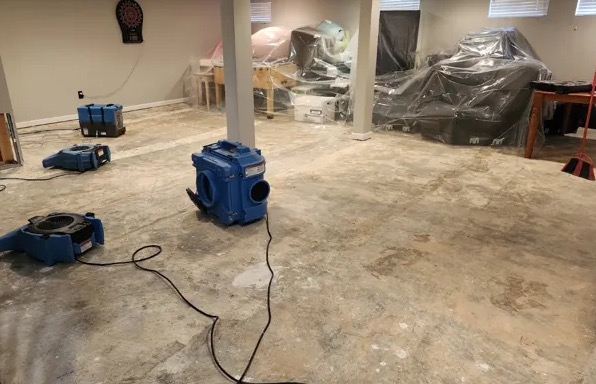
Professional Building Fire & Smoke Odor Removal in Everett, MA
A lingering fire smell means residue is still in the building. Fans and air fresheners rarely touch odor that has soaked into walls, floors, and furniture.
Homes in Everett and nearby areas like Glendale, Chelsea and Malden share building styles that affect how smoke spreads through attics and walls. Local smoke odor elimination experts fog and ozone-treat the materials found in these homes.
Whole-Building Deodorization Process
Air Scrubbing for Whole Buildings
For larger buildings, several air scrubbers run at once so the entire air supply passes through high-efficiency filters.
Electrostatic Soot Removal
Removing dry soot this way keeps it from being ground into surfaces, so hard surfaces come clean throughout the home.
Fire Damaged Material Removal
In Everett, damaged flooring and framing are taken out before deodorizing, so treatment is not wasted on materials that will be replaced.
Thermal Fogging Deodorization
In Everett, the professionals fog closed rooms so the deodorant fills gaps behind cabinets and above ceilings that wiping cannot reach.
HVAC Duct Smoke Cleaning
Pros clean ducts with brushes, vacuums, and cleaning agents, from the main trunks to each register, so soot is not blown back into rooms.
Signs You Need Professional Fire Odor Removal
Smell Emanates From HVAC Vents
A smoky smell coming from vents means the HVAC system is carrying odor from the ducts into every room.
Odor Returns After Opening Windows
When airing out the house does not clear the smell, smoke odor has worked its way into walls, floors, or furniture.
Persistent Smoky Odor in Rooms
A fire smell that stays in several rooms after cleaning means odor has soaked into the building, not just the surfaces.
Soot in Electrical Outlets
Fine soot inside outlets and behind switch plates shows smoke reached into wall cavities, not just room surfaces.
How Building Fire & Smoke Odor Removal Works in Everett
Step 1: Source Removal and Cleaning
Burned materials are removed first, and electrostatic cleaning lifts soot from the walls and ceilings that remain.
Step 2: HVAC Duct Smoke Cleaning
The ductwork and air handler are cleaned so the HVAC system stops moving smoky air through the building.
Step 3: Ozone Treatment for Smoke Odor
Ozone generators run in the closed, empty building to break down the odor compounds that remain.
Step 4: Final Air Quality Verification
Pros check the building for any remaining smoke odor before it is reoccupied and the job is closed out.
Common Causes of Persistent Fire Odor
Contaminated HVAC Ductwork
An HVAC system running during a fire pulls smoky air into the ducts and coats their insides with soot.
Secondary Water Damage
Water used to fight the fire can spread soot into new areas and carry odor into floors and wall cavities.
Thermal Movement of Odor Particles
Heat from a fire pushes smoke and odor into small cracks and gaps throughout the structure.
Smoke Penetration Into Porous Materials
Smoke odor soaks deep into drywall, wood, and insulation, which then release the smell for months if left untreated.
Fire Odor Removal for All Property Types
Residential Building Fire & Smoke Odor Removal
Homeowners need both the structure and their belongings treated. Pros clean personal items and fog the building so the smell leaves the whole living space.
Commercial Building Fire & Smoke Odor Removal
Restaurants and stores need merchandise, equipment, and ductwork cleaned so smoke odor does not drive customers away after reopening.
Professional Building Fire & Smoke Odor Removal vs. DIY Sprays
Lift loose soot with a dry chemical sponge or HEPA vacuum instead of wiping it. Wash fabrics that can be washed. If the smell returns after cleaning, call the experts.
What Influences Fire Odor Removal Pricing
The number of rooms to treat and the methods needed, such as thermal fogging or ozone, drive most of the cost of whole-house odor removal.
HVAC System Contamination
Cleaning ducts and HVAC parts adds equipment time and access work to the job.
Building Square Footage
Larger buildings need more labor time and more deodorizing solution to cover every room.
Severity of Smoke Penetration
Heavy smoke residue needs more cleaning passes and repeat treatments than light surface soot does.
Does Insurance Cover Building Fire & Smoke Odor Removal?
Your insurer decides whether building fire & smoke odor removal is covered. The professionals in Everett provide documentation for the claim file, and final approval rests with the insurance company.
Why Choose Local Fire Restoration Professionals for Building Fire & Smoke Odor Removal
Residual Odor Prevention
Sealing porous surfaces locks in trace odor that cleaning misses, so it does not return after repairs.
Content Salvage Focus
Belongings are cleaned and deodorized so items that might otherwise be thrown out can often be kept.
HVAC System Decontamination
Ducts are cleaned so the HVAC system does not keep pushing smoke odor through the building after cleanup.
24/7 Emergency Building Fire & Smoke Odor Removal Response
Early containment limits the spread of soot and odor through the building. Call (617) 682-9090 24/7 if your property needs help after a fire.
Call Now (617) 682-9090Building Fire & Smoke Odor Removal Near Everett: Areas Served
Local smoke odor removal serves Everett and the wider area, including places like Glendale, Chelsea and Malden.
Common Questions on Fire Odor Removal
How does thermal fogging deodorization work?
A heated deodorant is turned into a fine fog that travels into porous materials and breaks down odor molecules where cleaning cannot reach.
Will opening windows get rid of smoke smell in home?
Airing out helps with smoke in the air at first, but it does not remove odor soaked into walls, furniture, and carpet.
What materials typically require fire damaged material removal?
Charred wood, melted plastics, contaminated insulation, and anything that cannot be cleaned or is unsafe are removed and disposed of.
How long does fire odor remediation usually take?
It depends on severity, from a few days for a small kitchen fire to several weeks for smoke through a whole building.
What's the difference between cleaning and deodorizing?
Cleaning removes visible soot residue, while deodorizing breaks down the odor molecules left behind. Most fire jobs need both steps.