Bedford, MA · Middlesex County
Ceiling Mold Removal in Bedford, MACeiling Mold Remediation & Ceiling Mold Cleanup
Ceiling Mold Removal involves inspection, removal and cleanup for ceiling mold in Bedford.
Answered 24/7
Reliable Ceiling Mold Removal in the Bedford Area
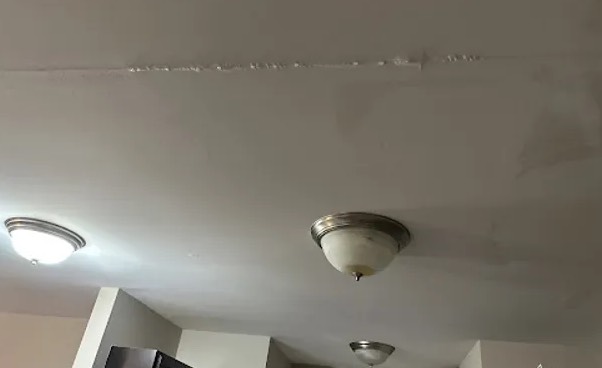
In Bedford, ceiling mold can stem from roof leaks or condensation. Ceiling mold inspection reveals the moisture source and affected area. Mold on ceiling removal stops further degradation of building materials.
In Bedford, ceiling mold testing helps identify hidden problems. Local mold remediation pros perform toxic mold removal and emergency ceiling mold removal. They work in the area and communities like Concord, Lexington and Burlington.
Ceiling Mold Removal Service Options in Bedford
Ceiling Mold Remediation
Complete ceiling mold remediation addresses every aspect of fungal contamination. The pros use specialized equipment like HEPA scrubbers to achieve IICRC-standard results. Thorough remediation restores indoor air quality for residents in Bedford.
Ceiling Mold Cleanup
Mold cleanup on ceilings includes detailed cleaning of joists, beams, and surrounding areas. The pros apply antimicrobial coatings to inhibit future growth. Proper cleanup is key for complete ceiling mold removal services in Bedford.
Ceiling Mold Prevention
Preventing ceiling mold involves regular moisture inspections and spotting early water intrusion signs. The pros in Bedford advise on attic ventilation and quick condensation response. Proactive steps may reduce future remediation needs.
Ceiling Mold Testing
Mold testing for ceilings involves sampling and comparing to outdoor baseline levels. The pros use this data to gauge contamination severity. Accurate testing informs the needed scope for homes in Bedford.
Black Mold Ceiling Removal
Black mold ceiling removal addresses health risks from Stachybotrys exposure. The pros focus on complete removal of contaminated materials, aggressive cleaning and antimicrobial treatment. This helps restore a safe environment.
Signs of Ceiling Mold Requiring Removal in Bedford
History of Roof or Plumbing Leaks
Past leaks from roofs or upstairs plumbing are a major cause of recurring ceiling mold problems needing expert removal.
Dampness or Moisture on Ceiling Surface
Feeling dampness or seeing moisture beads on a ceiling surface is a direct warning sign of active mold conditions.
Discolored or Stained Ceiling Tiles
Discoloration on acoustic or drop ceiling tiles is a clear sign of moisture issues and potential ceiling mold cleanup.
Peeling Paint or Bubbling Ceiling Texture
When paint peels or textured ceilings bubble, moisture is present behind the surface, creating an ideal environment for ceiling mold.
How Ceiling Mold Removal Works in Bedford
Step 1: Initial Consultation and Damage Documentation
The job starts with documenting the visible mold and water damage for insurance purposes. Photos and moisture readings create a record for your claim.
Step 2: Isolation of the Contaminated Ceiling Area
The work area is isolated with plastic sheeting to create a containment chamber. This is a standard practice in professional ceiling mold remediation.
Step 3: Mold Removal and Structural Cleaning
The specialists physically remove the growth and clean all structural surfaces. Non-porous materials are salvaged through deep cleaning and sanitizing.
Step 4: Dehumidification and Moisture Verification
Industrial dehumidifiers and fans dry the space completely. Moisture meters verify that all materials are dry to prevent immediate mold regrowth.
Common Causes of Ceiling Mold in Bedford
Plumbing Leaks in Upper Floor Walls
Leaking pipes inside walls or above ceilings release water slowly, often causing hidden black mold on ceiling growth.
Leaking Windows or Improper Flashing
Water intrusion around windows or from faulty flashing can travel into wall cavities and up to the ceiling area.
Bathroom and Kitchen Ventilation Issues
Inadequate exhaust fans let steam from showers and cooking settle on ceilings, creating moisture for mold on ceiling removal.
Slow Leaks From Appliance Supply Lines
Dripping supply lines for washing machines or refrigerators on upper floors can saturate ceilings over a long period.
Residential and Commercial Ceiling Mold Removal in Bedford
Residential Ceiling Mold Removal
Homeowners face ceiling mold from attic condensation or slow leaks. The pros in Bedford perform thorough ceiling mold cleanup. They remove contaminated drywall and resolve the moisture issue to prevent recurrence.
Commercial Ceiling Mold Removal
Commercial properties like retail stores need thorough ceiling mold remediation to maintain a safe environment. Specialists handle water damage ceiling mold in large, open spaces with industrial-grade air scrubbers and drying equipment.
Ceiling Mold Removal vs. DIY: When to Call Mold Remediation Pros
Fix minor condensation by using a dehumidifier to lower humidity. Keep furniture away from walls for better air circulation. Persistent mold often means a leak needing the pros in Bedford.
What Influences Ceiling Mold Removal Expense in Bedford
Removing black mold on a ceiling costs depend on toxicity and required safety protocols. Pros check if the moisture issue is fixed, which impacts the total service scope.
Emergency Service Timing
Responding to urgent ceiling mold situations outside of standard business hours may involve different rate structures for the professional service and work.
Post-Removal Testing and Verification
A clearance test after remediation to confirm mold levels are safe adds a layer of assurance and is a separate line item.
Ceiling Material and Accessibility
Removing mold from textured popcorn ceilings or high vaulted ceilings often requires more time and careful techniques than working on flat drywall.
Does Insurance Cover Ceiling Mold Removal?
Coverage for black mold ceiling removal depends on the policy and cause. Sudden water events are more likely covered than slow leaks. Homeowners should check their policy and speak with their insurer.
Benefits of Local Pros for Ceiling Mold Removal in Bedford
Advanced Air Filtration
HEPA air scrubbers run continuously during ceiling mold cleanup to capture airborne spores and maintain air quality in the contained work area.
Detailed Documentation for Claims
Photos, moisture maps, and notes are compiled to document the damage for your review and potential submission to your insurance company.
24/7 Emergency Response
Immediate action is available for urgent ceiling mold situations to help contain the problem and begin the assessment process at any hour.
24/7 Emergency Ceiling Mold Removal in Bedford
Emergency ceiling mold remediation is vital for extensive growth or in a frequently used room. For a thorough inspection and mitigation plan, contact mold removal companies via (617) 682-9090 at any hour.
Call Now (617) 682-9090Ceiling Mold Removal Service Area Including Bedford, MA
Each place listed below has its own page with local details.
Ceiling Mold Removal Common Questions Answered
What causes water damage ceiling mold to grow?
Mold grows on ceilings due to excess moisture, commonly from roof leaks, plumbing issues in upstairs bathrooms, condensation from poor attic ventilation, or lingering humidity after a spill.
What areas of the home are covered by mold removal services?
Professional services address mold in all areas, including ceilings, walls, attics, basements, and crawl spaces, using appropriate methods for each specific environment and material.
What happens during a ceiling mold inspection?
An inspector visually assesses the growth, may use moisture meters to find dampness, and could recommend air or surface sampling to identify the mold type and spore concentration.
What defines an emergency ceiling mold removal situation?
Situations involving extensive growth, toxic black mold, mold in HVAC systems, or rapid growth after major water damage warrant an urgent, 24/7 professional response.
Why is ceiling mold prevention important after removal?
Preventing regrowth protects your investment in remediation and your indoor air quality. It involves fixing leaks, improving ventilation, and controlling indoor humidity levels below 60%.