Lexington, MA · Middlesex County
Ceiling Mold Removal in Lexington, MABlack Mold Ceiling Removal & Emergency Ceiling Mold Removal
Ceiling Mold Removal involves ceiling mold testing, black mold ceiling removal, and ceiling mold remediation in Lexington.
Answered 24/7
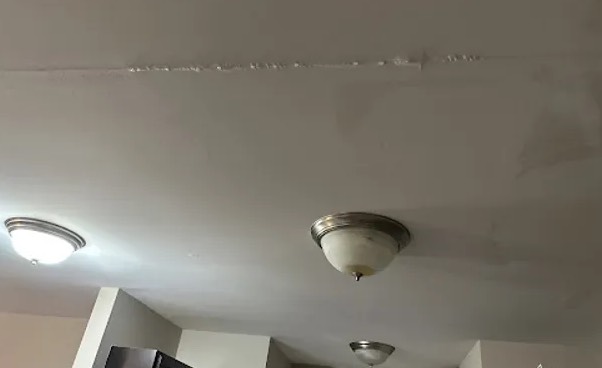
Reliable Ceiling Mold Removal in the Lexington Area
For homes in Lexington, ceiling mold prevention is as important as removal. Water damage ceiling mold starts small but can spread. Regular checks help catch issues early.
Water damage ceiling mold in Lexington can escalate without prompt action. Local mold remediation pros perform emergency removal and cleanup. They cover Middlesex County and locations like Arlington, Bedford and Burlington. Their process involves moisture mapping.
Ceiling Mold Removal Services in Lexington
Black Mold Ceiling Removal
For black mold on ceilings, the pros perform controlled removal. They remove and bag moldy drywall, then clean surfaces. EPA-registered solutions help eliminate the hazard in Lexington.
Emergency Ceiling Mold Removal
For emergency ceiling mold situations, the pros provide professional assessment and immediate remediation steps. In Lexington, they work to protect belongings and living spaces from extensive contamination, addressing the mold before it worsens.
Ceiling Mold Testing
Ceiling mold testing distinguishes between harmless discoloration and hazardous fungal growth. The pros perform tests to pinpoint moisture sources and mold types. This scientific approach supports effective ceiling mold removal strategies in Lexington.
Ceiling Mold Prevention
Preventing ceiling mold involves regular moisture inspections and spotting early water intrusion signs. The pros in Lexington advise on attic ventilation and quick condensation response. Proactive steps may reduce future remediation needs.
Ceiling Mold Cleanup
Ceiling mold cleanup targets hidden contamination beyond surface wiping. In Lexington, the pros clean nearby HVAC ducts and light fixtures. This helps prevent spore circulation for a cleaner home after ceiling mold removal.
Signs of Ceiling Mold Requiring Removal in Lexington
Recent Water Damage on the Ceiling
Any past or recent leak that left a water stain is a prime location for ceiling mold to begin growing.
Visible Mold Growth in Attic Spaces
Mold found in the attic on rafters or insulation often spreads to the ceiling below, requiring comprehensive remediation.
Health Symptoms That Improve Outdoors
If respiratory symptoms lessen when you leave your home, it suggests an indoor air quality issue like ceiling mold.
Warped or Sagging Ceiling Drywall
A ceiling panel that sags or feels soft indicates prolonged water damage and probable hidden toxic mold removal needs.
How Ceiling Mold Removal Works in Lexington
Step 1: Comprehensive Ceiling Mold Testing
The process may start with professional ceiling mold testing to determine spore types and concentrations. This data informs the specific remediation strategy needed.
Step 2: Safety Preparation and Personal Protection
The pros set up safety protocols, including protective gear and sealing the work zone. This protects both workers and the building's occupants during mold on ceiling removal.
Step 3: Water Damage Ceiling Mold Remediation
Any lingering moisture from water damage is addressed with drying equipment. Then, mold-damaged ceiling sections are remediated or replaced as necessary.
Step 4: Air Scrubbing and Odor Elimination
Air scrubbers run continuously to purify the air of spores and musty odors. This step is crucial for restoring normal indoor air quality post-remediation.
Frequent Causes of Mold on Ceilings in Lexington
Slow Leaks From Appliance Supply Lines
Dripping supply lines for washing machines or refrigerators on upper floors can saturate ceilings over a long period.
Plumbing Leaks in Upper Floor Walls
Leaking pipes inside walls or above ceilings release water slowly, often causing hidden black mold on ceiling growth.
Condensation From High Indoor Humidity
High humidity levels cause condensation to form on cooler ceiling surfaces, providing the dampness mold spores need.
Poor Attic Ventilation and Insulation
Insufficient attic ventilation traps warm, moist air that condenses on roof sheathing and drips onto the ceiling below.
Residential and Commercial Ceiling Mold Removal in Lexington
Residential Ceiling Mold Removal
Household ceiling mold remediation targets common problem areas like kitchens and bedrooms. The pros assess the extent, including potential hidden black mold ceiling removal, to fully address the contamination.
Commercial Ceiling Mold Removal
Office buildings and warehouses require comprehensive mold removal services for ceiling infestations. Experts manage large-scale containment and debris removal, coordinating to keep business activities as undisturbed as possible during the project.
When to Hire Mold Remediation Pros for Ceiling Mold Removal in Lexington
Check the attic periodically for roof leak signs like stained insulation. Ensure soffit vents are not blocked. Finding attic mold is a job for the experts.
Understanding Ceiling Mold Removal Costs in Lexington
Mold in ceiling removal cost considerations include the time for drying after water damage and the type of antimicrobial treatments applied. These steps aim for a complete and lasting solution.
Required Containment Measures
Sealing off the work area with plastic sheeting and using negative air machines to prevent spore spread are essential steps that factor into pricing.
Post-Removal Testing and Verification
A clearance test after remediation to confirm mold levels are safe adds a layer of assurance and is a separate line item.
Type of Mold Present
Identifying black mold or other toxic varieties necessitates stricter safety protocols and specialized disposal methods, which can increase the overall project cost.
Does Insurance Cover Ceiling Mold Removal?
For water damage ceiling mold, insurers may cover remediation if the water damage is a covered claim. Coverage often excludes mold from long-term humidity. Local experts document the damage for adjuster submission.
Advantages of Hiring Local Pros for Ceiling Mold Removal in Lexington
Safe Black Mold Handling
Specialized procedures and personal protective equipment are used for black mold on ceiling removal to protect your home's occupants during the work.
Advanced Air Filtration
HEPA air scrubbers run continuously during ceiling mold cleanup to capture airborne spores and maintain air quality in the contained work area.
Comprehensive Ceiling Mold Cleanup
The process includes cleaning of adjacent surfaces and affected belongings to remove settled spores following the primary removal work.
Emergency Ceiling Mold Removal Available 24/7 in Lexington
When ceiling mold cleanup cannot wait due to health concerns or active water intrusion, emergency services are available. For immediate help, call professional mold removal services at (617) 682-9090.
Call Now (617) 682-9090Ceiling Mold Removal Service Area Including Lexington, MA
Other places served are listed below, each with its own page.
Frequently Asked Questions About Ceiling Mold Removal
How does ceiling mold remediation differ from simple cleaning?
Remediation is a comprehensive process that addresses the root cause, contains the area to prevent cross-contamination, safely removes the mold, and cleans the air, unlike surface wiping alone.
What documentation do mold removal specialists provide?
Professionals typically document the job with before-and-after photos, moisture reading logs, and details of the work performed, which you can use for your personal records or insurance.
Is toxic mold removal for ceilings a different process?
Yes, removal of Stachybotrys (black mold) or other toxic varieties requires stricter containment, enhanced personal protective equipment, and often more aggressive disposal protocols to ensure safety.
Why is ceiling mold prevention important after removal?
Preventing regrowth protects your investment in remediation and your indoor air quality. It involves fixing leaks, improving ventilation, and controlling indoor humidity levels below 60%.
Can ceiling mold cleanup be done without removing drywall?
Surface mold on a non-porous ceiling can sometimes be cleaned, but mold growing on or inside porous drywall or plaster typically requires cutting out and replacing the affected section.