Belmont, MA · Middlesex County
Water-Damaged Flooring Removal in Belmont, MAHardwood Floor Water Damage & Vinyl Floor Water Damage
Water-Damaged Flooring Removal in Belmont addresses wet carpet removal, hardwood floor water damage and laminate flooring removal.
Answered 24/7
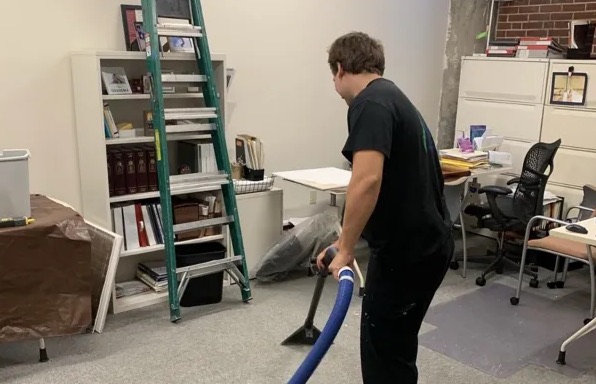
Your Local Water Extraction Pros for Water-Damaged Flooring Removal in Belmont
Water trapped under flooring in Belmont soaks the subfloor and starts rot, swelling and odors that spread with every day it stays. Removing ruined flooring lets the structure underneath dry properly.
In Belmont, ZIP code 02478, wet carpet and hardwood are frequent calls after indoor flooding. Local pros remove surface water and dry hidden moisture underneath.
Water-Damaged Flooring Removal and Related Services in Belmont
Hardwood Floor Water Damage
Pros in Belmont check how wet the boards are, use drying mats and remove only planks that cannot be saved.
Vinyl Floor Water Damage
Pros lift wet vinyl to reach the subfloor, which allows complete drying and prevents adhesive failure.
Emergency Floor Water Extraction
Truck-mounted or portable extractors remove standing water fast, which can reduce how much flooring must go.
Subfloor Drying Services
A wet subfloor wicks water into walls and joists, so pros dry it fully before new flooring goes in.
Tile Floor Water Cleanup
Pros check for hollow-sounding or loose tiles, which show the mortar bed has failed and needs drying.
Warning Signs You Need Water-Damaged Flooring Removal
Gaps Between Floorboards
New gaps between floorboards can appear as wood shrinks after soaking up water.
Vinyl Flooring Seam Separation
Seams pulling apart in vinyl plank or sheet flooring show moisture has weakened it.
Visible Mold on Baseboards
Dark spots on baseboards or along wall edges point to water problems at floor level.
Cracked or Peeling Floor Finish
Finish flaking off hardwood or vinyl suggests water has broken down the protective coating.
How Water-Damaged Flooring Removal Works in Belmont
Step 1: Initial Assessment and Plan
Pros check the flooring type, water source and damage to plan removal and drying.
Step 2: Floor Water Extraction
Powerful vacuums extract standing water from surfaces and the layers beneath them.
Step 3: Damaged Flooring Demolition
Cupped hardwood, loose tile and other ruined materials are removed from the site.
Step 4: Achieve Dryness Standards
Drying continues until the subfloor and nearby materials meet accepted dry standards.
Sources That Lead to Water-Damaged Flooring Removal
Plumbing Fixture Failures
Leaky supply lines under sinks, toilet overflows or failed valves soak nearby flooring.
Window and Door Seal Failure
Failed seals around windows and doors let rain and melting snow soak interior floors.
Roof Leaks During Storms
Rain through a damaged roof often runs down walls and pools on upper floors.
HVAC Condensate Drain Clogs
A clogged AC drain line can overflow and drip onto floors for weeks unnoticed.
Home and Business Water-Damaged Flooring Removal in Belmont
Residential Water-Damaged Flooring Removal
At home, pros map moisture under floating floors and around toilet bases to plan removal and drying precisely.
Commercial Water-Damaged Flooring Removal
Commercial entryways and break rooms need wet vinyl removed quickly and the concrete slab prepared for new flooring.
Professional Water-Damaged Flooring Removal or DIY Repair in Belmont
For a small fresh spill, blot water from hardwood, laminate or tile with towels and lift rug corners to air them. If there is standing water or the floor feels spongy, contact local water damage pros.
Understanding Water-Damaged Flooring Removal Cost in Belmont
Subfloor drying, antimicrobial treatment and a final moisture check all add to the overall project scope and cost.
Access and Complexity
Moving furniture, glued vinyl or tight room access all add labor time.
Water Damage Severity
Heavily soaked materials or long-running leaks take more intensive extraction work and time.
Flooring Material Type
Removing wet carpet is simpler than removing hardwood, which needs careful handling.
Does Insurance Cover Water-Damaged Flooring Removal?
Coverage for flooring removal is never certain. The pros create a clear record of the damage, but your insurer interprets the policy and makes payments.
Why Choose Local Pros for Water-Damaged Flooring Removal in Belmont
IICRC-Standard Drying Methods
Drying follows accepted industry methods so subfloors and nearby materials are fully dried.
24/7 Emergency Response
Quick action limits further damage and keeps more flooring from needing removal.
Detailed Damage Documentation
Photos and moisture logs give clear evidence of the damage for your insurance claim.
Round-the-Clock Water-Damaged Flooring Removal in Belmont
Act fast after a flood by calling the pros at (617) 682-9090. The pros are ready around the clock to remove soaked flooring and limit damage to the structure.
Call Now (617) 682-9090Water-Damaged Flooring Removal in Belmont and Other Areas Served
Each place listed below has its own page with local details.
- Water-Damaged Flooring Removal in Arlington
- Water-Damaged Flooring Removal in Medford
- Water-Damaged Flooring Removal in Somerville
- Water-Damaged Flooring Removal in Brookline
- Water-Damaged Flooring Removal in Lynn
- Water-Damaged Flooring Removal in Nahant
- Water-Damaged Flooring Removal in South Boston
- Water-Damaged Flooring Removal in Stoneham
Water-Damaged Flooring Removal in Belmont: Your Questions
Why is a floor moisture inspection critical?
Meters find hidden moisture that can warp materials or cause odors after the flooring is removed.
What tools are used for floor water extraction?
Truck-mounted or portable extractors pull water from carpet and pad before any material is removed.
What are signs of vinyl floor water damage?
Buckling, lifting edges, a spongy feel or discoloration show water under the vinyl and adhesive.
How do pros document damage for insurance?
Pros take detailed photos and moisture readings at several points and put them in a report for your claim.
Are baseboards affected during this process?
Baseboards often absorb water and may need removal or drying to keep moisture from staying behind walls.