Revere, MA · Suffolk County
Water-Damaged Flooring Removal in Revere, MAHardwood Floor Water Damage & Tile Floor Water Cleanup
Water-Damaged Flooring Removal in Revere includes wet carpet removal, hardwood floor water damage and subfloor drying services.
Answered 24/7
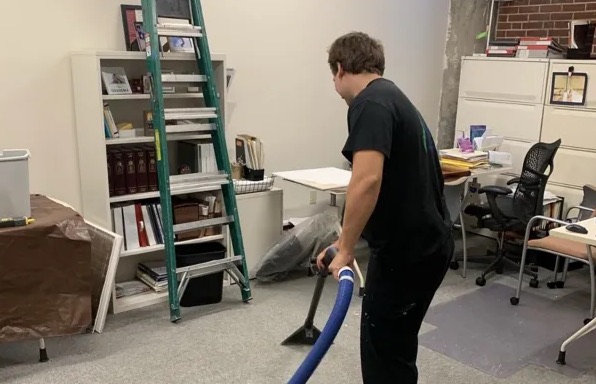
Your Local Water Extraction Pros for Water-Damaged Flooring Removal in Revere
Water trapped under flooring in Revere soaks the subfloor and starts rot, swelling and odors that spread with every day it stays. Removing ruined flooring lets the structure underneath dry properly.
When disaster strikes, Revere residents need reliable emergency extraction. Water damage pros dry subfloors and check moisture thoroughly to protect property value in Revere and nearby towns.
Water-Damaged Flooring Removal Methods Used in Revere
Hardwood Floor Water Damage
Pros check whether water got past the finish, since warping or black stains usually mean replacement.
Tile Floor Water Cleanup
Grout holds moisture against the subfloor, so pros in Revere test it and dry or repair the base layer.
Subfloor Drying Services
After flooring is removed, air movers and dehumidifiers draw moisture out of the wood or concrete.
Laminate Flooring Removal
In Revere, pros unlock the planks carefully when removing wet sections so dry pieces can be reused.
Floor Moisture Inspection
Moisture meters and thermal imaging map wet floors and walls before and after drying so nothing is missed.
How to Know You Need Water-Damaged Flooring Removal in Revere
Visible Mold on Baseboards
Dark spots on baseboards or along wall edges point to water problems at floor level.
Loose or Lifting Floor Tiles
Loose tiles or bubbling laminate planks show the adhesive or core has been weakened by water.
Condensation Under Floor Mats
Dampness under area rugs or mats suggests high moisture in the floor below.
Laminate Flooring Edge Swelling
Swollen laminate edges are a clear sign the planks have absorbed water.
How Water-Damaged Flooring Removal Works in Revere
Step 1: Floor Moisture Inspection
Meters map moisture in floors, walls and subfloors to define exactly what must be removed.
Step 2: Waterlogged Floor Removal
Ruined carpet, pad, tile or planks are cut out and removed from the water-damaged area.
Step 3: Structural Drying Procedures
Air movers and dehumidifiers work together to dry the subfloor and framing thoroughly.
Step 4: Final Verification and Cleanup
Readings confirm the area is dry, and debris is cleared for the next construction step.
What Leads to Water-Damaged Flooring Removal Needs in Revere
Appliance Leaks and Overflows
Leaking dishwashers, washing machines or water heaters can flood floors with a lot of water.
Plumbing Fixture Failures
Leaky supply lines under sinks, toilet overflows or failed valves soak nearby flooring.
Window and Door Seal Failure
Failed seals around windows and doors let rain and melting snow soak interior floors.
Sump Pump Failure in Basements
A failed or overwhelmed sump pump lets basement water rise and soak flooring.
Water-Damaged Flooring Removal for Homes and Businesses in Revere
Residential Water-Damaged Flooring Removal
At home, pros map moisture under floating floors and around toilet bases to plan removal and drying precisely.
Commercial Water-Damaged Flooring Removal
Commercial entryways and break rooms need wet vinyl removed quickly and the concrete slab prepared for new flooring.
Professional Water-Damaged Flooring Removal or DIY Repair in Revere
After a clean water toilet overflow, mop the tile with a disinfectant cleaner once the toilet is fixed. If water got under the toilet base or into nearby rooms, have the floor checked for moisture.
Understanding Water-Damaged Flooring Removal Cost in Revere
Hard-to-reach areas and difficult materials like glued tile or parquet take longer to remove and cost more as a result.
Contamination Level
Floodwater with sewage or chemicals requires extra safety steps during the extraction.
Flooring Material Type
Removing wet carpet is simpler than removing hardwood, which needs careful handling.
Post-Removal Services
Final moisture checks and site preparation for new flooring add to the total.
Does Insurance Cover Water-Damaged Flooring Removal?
For laminate removal or subfloor drying, give your insurer the moisture readings and damage scope from the pros. Coverage depends on your policy terms.
Reasons to Select Local Pros for Water-Damaged Flooring Removal in Revere
Advanced Moisture Detection
Moisture meters find wetness under materials and behind walls that a visual check misses.
IICRC-Standard Drying Methods
Drying follows accepted industry methods so subfloors and nearby materials are fully dried.
24/7 Emergency Response
Quick action limits further damage and keeps more flooring from needing removal.
Round-the-Clock Water-Damaged Flooring Removal in Revere
Act fast after a flood by calling the pros at (617) 682-9090. The pros are ready around the clock to remove soaked flooring and limit damage to the structure.
Call Now (617) 682-9090Water-Damaged Flooring Removal in Revere and Other Areas Served
Other places served are listed below, each with its own page.
- Water-Damaged Flooring Removal in Chelsea
- Water-Damaged Flooring Removal in Glendale
- Water-Damaged Flooring Removal in Linden
- Water-Damaged Flooring Removal in Winthrop
- Water-Damaged Flooring Removal in Malden
- Water-Damaged Flooring Removal in Boston
- Water-Damaged Flooring Removal in Medford
- Water-Damaged Flooring Removal in Melrose
Water-Damaged Flooring Removal FAQs
How quickly should wet carpet removal begin?
As soon as possible, ideally within hours, before stains, odors and subfloor damage set in.
Does water always ruin a wood subfloor?
Not if it is dried promptly; proper drying can often save the subfloor and avoid replacing it.
Can flooring be replaced immediately after removal?
No. The subfloor must be fully dry and pass a moisture check before new flooring goes in.
What is involved in water-damaged flooring removal?
Emergency water extraction, careful removal of ruined flooring and a thorough moisture check of the floor.
Is wet carpet removal a DIY job?
It is not recommended, since removal can spread contamination and miss hidden moisture underneath.