Sudbury, MA · Middlesex County
Floor Mold Removal in Sudbury, MAEmergency Floor Mold Containment & Laminate Flooring Mold Treatment
Professional Floor Mold Removal in Sudbury features emergency floor mold containment, floor mold inspection, and moldy subfloor removal.
Answered 24/7
Your Local Solution for Floor Mold Removal
Floor mold removal in Sudbury addresses health risks from black mold on floor areas, which can trigger allergies and respiratory concerns. Timely moldy floor cleanup helps avoid costly flooring replacement after mold damage occurs.
In Sudbury and nearby places like Concord, Acton and Framingham, moldy floor cleanup prevents allergens from black mold on floor from affecting indoor air. Local mold damage pros use advanced techniques for flooring replacement after mold and mold inspection floor services. Their 24/7 operation caters to urgent situations.
Comprehensive Floor Mold Removal Methods
Emergency Floor Mold Containment
This immediate action confines the hazard, simplifying the subsequent cleanup and protecting your home's unaffected areas from contamination during the repair work.
Laminate Flooring Mold Treatment
The focus is on halting mold growth within the laminate's layers and preventing it from spreading to adjacent flooring through the locking system.
Floor Mold Inspection
A comprehensive floor mold inspection assesses the contamination level, determining if cleaning or removal is needed for your specific flooring type.
Concrete Slab Mold Mitigation
This service in Sudbury may include installing or repairing a vapor barrier to block ground moisture from causing future mold issues on the slab.
Moldy Subfloor Removal
Removing a moldy subfloor stops structural decay and spore circulation; local pros then ensure the new installation meets current building standards.
Warning Signs You Need Floor Mold Removal
Soft Spots in Subflooring
Areas of the floor that feel soft or give way under pressure may indicate severe subfloor rot and mold damage restoration.
Condensation on Floor Surfaces
Visible condensation or sweating on cold floors like concrete slabs signals high humidity, a primary cause for mold under floor removal.
Visible Mold on Baseboards
Mold growth creeping up baseboards or walls from the floor junction is a clear sign the flooring mold treatment area is expanding.
Increased Allergy Symptoms Indoors
Unexplained allergy flare-ups, respiratory issues, or itchy eyes at home can be caused by airborne mold spores from a floor infestation.
How Floor Mold Removal Works in Sudbury
Step 1: Comprehensive Mold Inspection Floor
The process starts with a professional inspection to identify all areas of mold growth, the type of flooring affected, and the underlying cause of the moisture.
Step 2: Containment and Safety Setup
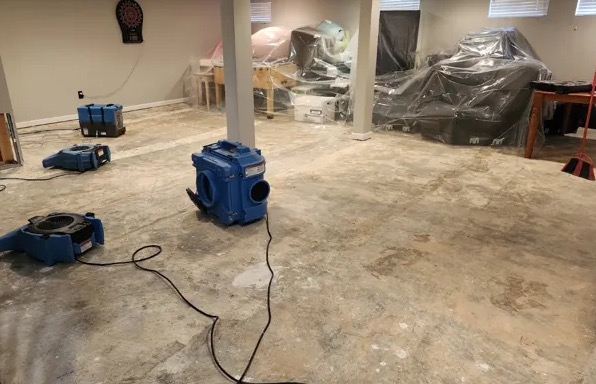
Plastic sheeting seals doorways and vents. Professionals wear PPE and use negative air machines to contain mold spores on floor during the removal work.
Step 3: Affected Flooring Removal
Mold-damaged sections of flooring and subfloor are cut out and disposed of safely. This may involve carpet mold remediation or targeted hardwood floor mold removal.
Step 4: Drying, Cleaning, and Documentation
Industrial air movers and dehumidifiers dry the structure. All remaining surfaces are cleaned. Pros document the process with photos for your insurance review.
Frequent Culprits for Floor Mold Removal Needs
Roof or Window Leaks
Water intrusion from a leaky roof or windows can travel down wall cavities and pool under flooring, creating hidden mold reservoirs.
Condensation From HVAC Systems
Improperly installed or insulated AC ductwork in floors or crawlspaces can cause condensation drip, directly wetting floor structures and insulation.
Landscape or Grading Issues
Improper yard grading or missing gutter downspouts can direct stormwater toward the foundation, where it seeps into basement or slab floors.
Poor Subfloor Ventilation
Inadequate airflow in crawlspaces or under raised floors traps moisture vapor, promoting mold growth on the underside of flooring and joists.
Full-Scale Floor Mold Removal for Any Building
Residential Floor Mold Removal
Residential floor mold remediation by the pros focuses on the specific materials in your home, from salvaging moldy hardwood to removing contaminated carpet padding. They work to prevent recurring issues that could lead to costly flooring replacement after mold.
Commercial Floor Mold Removal
Mold damage restoration in commercial settings often involves large-scale concrete slab mold mitigation in garages or moldy subfloor removal in multi-tenant buildings. Pros follow strict protocols to remediate without disrupting adjacent business operations more than necessary.
Professional Floor Mold Removal Over DIY Attempts
For a recent, clean water spill, use a wet-dry vacuum on hard surfaces. Move furniture off wet carpet. For gray or black water, or flooring damp over 48 hours, professional mold removal services are necessary to prevent mold.
What Affects Floor Mold Removal Cost in Sudbury, MA
Local floor mold removal costs are influenced by the severity of mold damage restoration needed. Whether the job involves simple surface cleaning or full-scale mold under floor removal and subfloor replacement affects the overall estimate.
Subfloor Condition
Moldy subfloor removal adds significant labor and material costs, especially if structural repairs or concrete slab mold mitigation are necessary after demolition.
Access and Obstacles
Furniture moving, limited workspace, and the need to protect unaffected areas can increase the time and labor for mold removal services.
Drying and Dehumidification
Effective flooring mold treatment includes thorough drying to prevent recurrence, which impacts equipment rental time and operational costs.
Does Insurance Cover Floor Mold Removal?
Insurance for mold on floor removal hinges on the policy's mold endorsement and the cause. It often covers cleanup from a covered water loss. Local experts provide detailed damage documentation. Homeowners should confirm details with their insurer.
Benefits of Local Mold Damage Pros in Sudbury
IICRC-Standard Remediation Methods
The pros follow industry-standard protocols for containment, removal, and cleaning to address mold spores on floor effectively and safely.
Material-Specific Treatment Protocols
Techniques differ for carpet mold remediation, tile and grout mold cleanup, and laminate flooring mold treatment to protect your flooring's integrity.
Comprehensive Moisture Mapping
Advanced tools detect moisture sources to ensure the floor mold remediation plan addresses the root cause, preventing future recurrence.
Around-the-Clock Floor Mold Removal Support
Unchecked mold growth poses health risks and can cause significant structural damage, like dry rot. If you suspect a serious issue, contact the specialists 24/7 by calling (617) 682-9090 for an urgent assessment.
Call Now (617) 682-9090Extended Floor Mold Removal Service Region
Each place listed below has its own page with local details.
Common Floor Mold Removal Queries Answered
Does carpet mold remediation always require replacement?
Not always. If mold growth is superficial and caught early, professional deep cleaning can sometimes salvage the carpet. However, mold penetration into the padding usually necessitates replacement.
What is emergency floor mold containment?
Emergency floor mold containment is an early action to isolate the affected area using plastic sheeting and negative air pressure, preventing mold spores from spreading to other parts of your home during remediation.
Is it safe to stay home during floor mold cleanup?
For small, contained areas, it may be possible, but for extensive mold removal services, temporary relocation is often advised to avoid exposure to mold spores and cleaning chemicals.
What is involved in floor mold removal in Sudbury?
The process includes a detailed mold inspection floor assessment, containment of the area, safe removal of contaminated materials like drywall or carpet, antimicrobial treatment, and thorough drying to prevent regrowth.
What happens during a mold inspection for floors?
A mold inspection floor assessment involves visual examination, moisture meter and thermal imaging scans to find hidden dampness, and sometimes air or surface sampling to identify mold spore types and levels.