Framingham, MA · Middlesex County
HVAC Fire Damage Cleanup in Framingham, MAHVAC Soot & HVAC Filter Replacement
HVAC filter replacement, post-fire duct sanitization, and smoke odor neutralization are elements of HVAC Fire Damage Cleanup in Framingham.
Answered 24/7
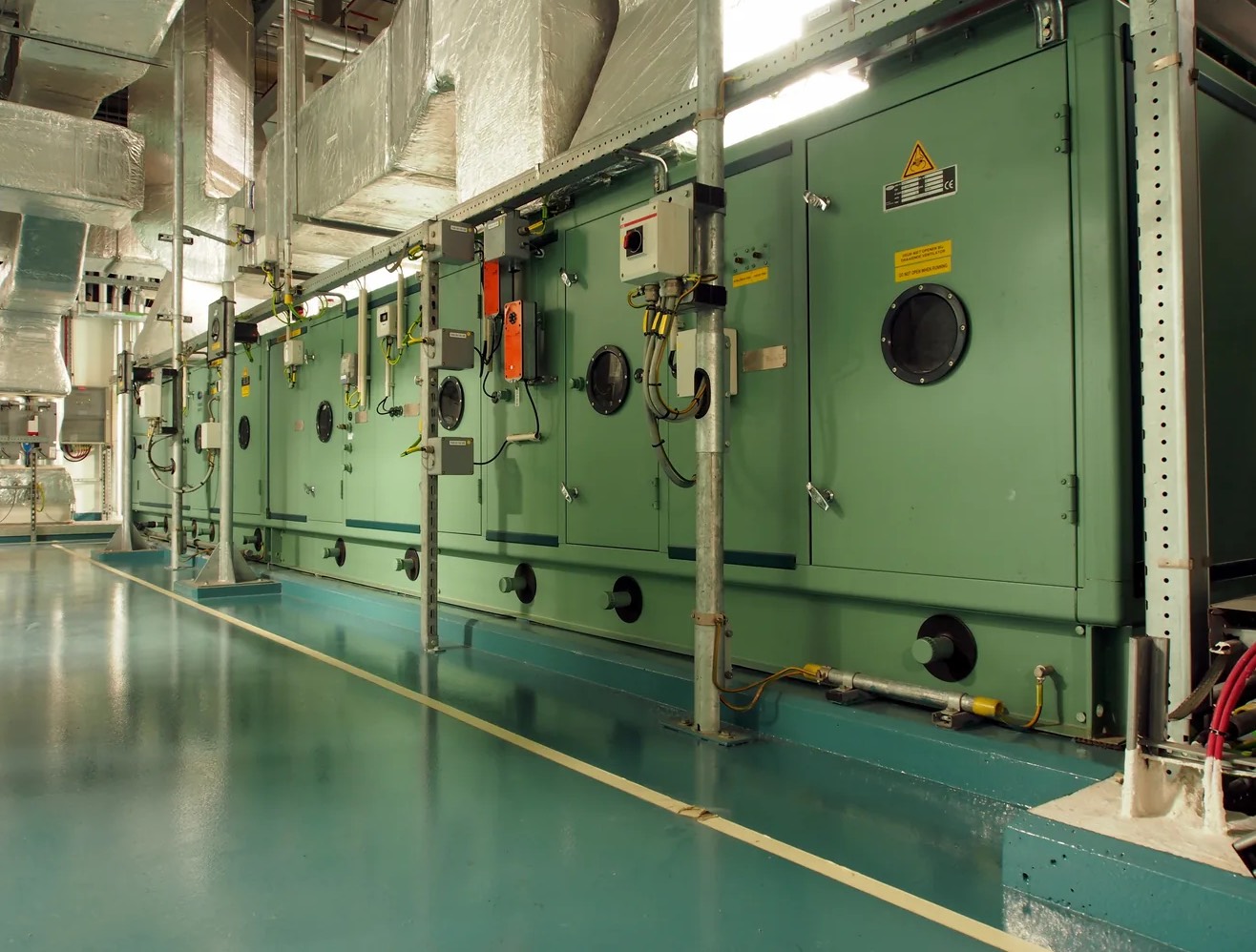
Trusted HVAC Fire Damage Cleanup in Framingham, Massachusetts
HVAC filter replacement after fire is critical because filters trap soot and become clogged rapidly, restricting airflow. Using a contaminated filter can strain your system and redistribute pollutants throughout your home.
In Framingham and nearby locales like Ashland, Natick and Sudbury, odor removal after fire in HVAC is common. Odor particles bind to dust and ducts. Local soot removal specialists use oxidation during duct sanitization to break them down.
The HVAC Fire Damage Cleanup Process in Framingham
HVAC Soot
Soot accumulation inside your HVAC system after a fire can cause operational issues and circulate contaminants. The specialists perform a thorough removal of all fire-related debris from critical system parts.
HVAC Filter Replacement
Every HVAC filter needs replacement post-fire. This includes the main return and any secondary filters. Soot-loaded filters restrict airflow and strain the system.
HVAC Fire Damage Cleanup
After a fire, an HVAC system can spread contaminants. Thorough HVAC fire damage cleanup addresses this specific risk. The process removes soot and residues from mechanical areas.
Air Quality Testing Post-Cleanup
Post-cleanup air testing is a quality assurance step. It compares air samples from ducts and living space to baseline standards. This ensures cleaning successfully removed fire-related contaminants for a healthy environment.
Smoke Odor Neutralization
Smoke odor neutralization tackles persistent smells in ductwork. Deodorizing agents like oxidizing foggers alter odor molecules. This breaks down the smoky smell at its source for fresh air.
When to Schedule HVAC Fire Damage Cleanup in Framingham
HVAC System Is Noisy or Struggling
Unusual sounds or strain from your HVAC unit may indicate soot buildup on critical components like the blower motor.
Discoloration on Walls Near Vents
Yellow or brown staining on walls or ceilings around air vents suggests soot-laden air is being distributed from the ducts.
Soot Buildup on Furnace or AC Coils
Visible soot accumulation on internal HVAC coils reduces efficiency and requires professional cleaning for fire damaged HVAC duct cleaning.
Increased Allergy or Respiratory Issues
New or worsening allergy symptoms among occupants can point to poor indoor air quality from post-fire HVAC contamination.
How HVAC Fire Damage Cleanup Works in Framingham
Step 1: Emergency HVAC System Shutdown
The first critical action is to safely power down the heating and cooling system. This prevents the spread of soot and smoke residues throughout the entire property's ductwork after a fire event.
Step 2: Comprehensive Air Duct Soot Removal
Using specialized brushes and negative air machines, the specialists agitate and extract soot deposits from all accessible duct surfaces. This targets the primary source of contamination and odor.
Step 3: Blower Motor and Coil Cleaning
Key mechanical components are carefully cleaned. Soot is removed from the blower assembly, fan blades, and evaporator coils to restore efficiency and prevent corrosion from acidic residues.
Step 4: Post-Cleanup Air Quality Verification
After cleaning, air quality testing post-cleanup may be performed. This helps verify the effectiveness of the HVAC fire damage cleanup process and ensures the air is safe to breathe.
What Causes HVAC Smoke Damage in Homes
Chemical Residues From Burning Materials
Modern furnishings and building materials release acidic, corrosive chemicals when burned, which coat and damage HVAC components.
Smoke Penetration Through HVAC Seams
Smoke particles are extremely fine and can infiltrate through small gaps and seams in ductwork, contaminating spaces between walls.
House Fire or Kitchen Fire
A primary structure fire forces massive amounts of soot, smoke, and chemical residues directly into the home's HVAC intake and ductwork.
Neighboring Structure Fire Smoke Infiltration
Smoke from a nearby fire can be drawn into your home's ventilation system, contaminating ducts and components with external soot.
Both Residential & Commercial HVAC Fire Damage Cleanup in Framingham
Residential HVAC Fire Damage Cleanup
A home's HVAC system needs attention after fire damage. Procedures like air duct smoke damage cleanup and odor removal require specific tools. The specialists focus on these to safeguard the home's air.
Commercial HVAC Fire Damage Cleanup
For office or retail spaces, fast HVAC fire damage cleanup limits operational interruption. The process includes emergency shutdown, thorough duct cleaning, and final air quality testing to ensure the environment is professionally restored.
HVAC Fire Damage Cleanup vs. DIY: When to Call Soot Removal Specialists
Wipe down accessible exterior vent covers with a damp cloth to remove surface soot. Do not use chemical cleaners or clean inside ducts. For vent cleaning for smoke damage, rely on the specialists.
What Affects HVAC Fire Damage Cleanup Cost in Framingham
Factors influencing HVAC fire damage cleanup pricing include the accessibility of vents and registers, plus the need for air quality testing post-cleanup to verify particulate levels are safe.
Odor Neutralization Complexity
Stubborn smoke smells that permeate insulation or building materials may require advanced odor removal after fire in HVAC techniques.
Filter and Part Replacement
The number of HVAC filters needing replacement and any components damaged by heat or soot impact material costs.
Required Decontamination Steps
Projects needing full post-fire duct sanitization and smoke odor neutralization involve additional specialized equipment and cleaning agents.
Does Insurance Cover HVAC Fire Damage Cleanup?
For HVAC decontamination after smoke, check the policy for smoke damage provisions. The specialists compile evidence, including air quality test results. Homeowners forward this to their insurer to determine benefits.
Advantages of Hiring Local Specialists in Framingham
Comprehensive Soot Removal
The process addresses visible soot and microscopic particles during air duct smoke damage cleanup, targeting the entire affected system.
Post-Cleanup Air Quality Verification
Air quality testing post-cleanup provides tangible data that the HVAC system restoration after fire has achieved a healthier environment.
Thorough Vent and Register Cleaning
Focus on cleaning soot from vents ensures airflow pathways are clear and contaminants are removed from accessible surfaces.
Emergency HVAC Fire Damage Cleanup Available in Framingham
If you suspect smoke has entered your ductwork, fast action limits contamination. Contact the pros at (617) 682-9090 for emergency system shutdown and assessment. Assistance is available around the clock.
Call Now (617) 682-9090Local HVAC Fire Damage Cleanup Coverage for Framingham
Other places served are listed below, each with its own page.
HVAC Fire Damage Cleanup FAQs
What does air quality testing post-cleanup measure?
It measures airborne particulate levels to objectively confirm the effectiveness of the HVAC fire damage cleanup, ensuring the indoor environment meets health and safety benchmarks.
What is post-fire duct sanitization?
It is the application of EPA-registered antimicrobial agents inside the ductwork after cleaning to inhibit microbial growth that soot and moisture from firefighting can encourage.
Is air duct soot removal a messy process?
Professionals use containment methods like negative air machines and seal access points to prevent soot from escaping into your living spaces during the cleaning.
Does vent cleaning for smoke damage replace filters?
Vent cleaning addresses the duct pathways, but HVAC filter replacement after fire is always required, as filters are clogged with soot and are a primary line of defense.
How long does HVAC filter replacement after fire take?
Replacing filters is a quick task, but it is part of the full inspection and cleaning process. All system filters should be replaced as a first step in restoration.