Quincy, MA · Norfolk County
HVAC Fire Damage Cleanup in Quincy, MASmoke Odor Neutralization & HVAC Soot
Air duct soot removal, HVAC filter replacement, and smoke odor neutralization are part of HVAC Fire Damage Cleanup in Quincy.
Answered 24/7
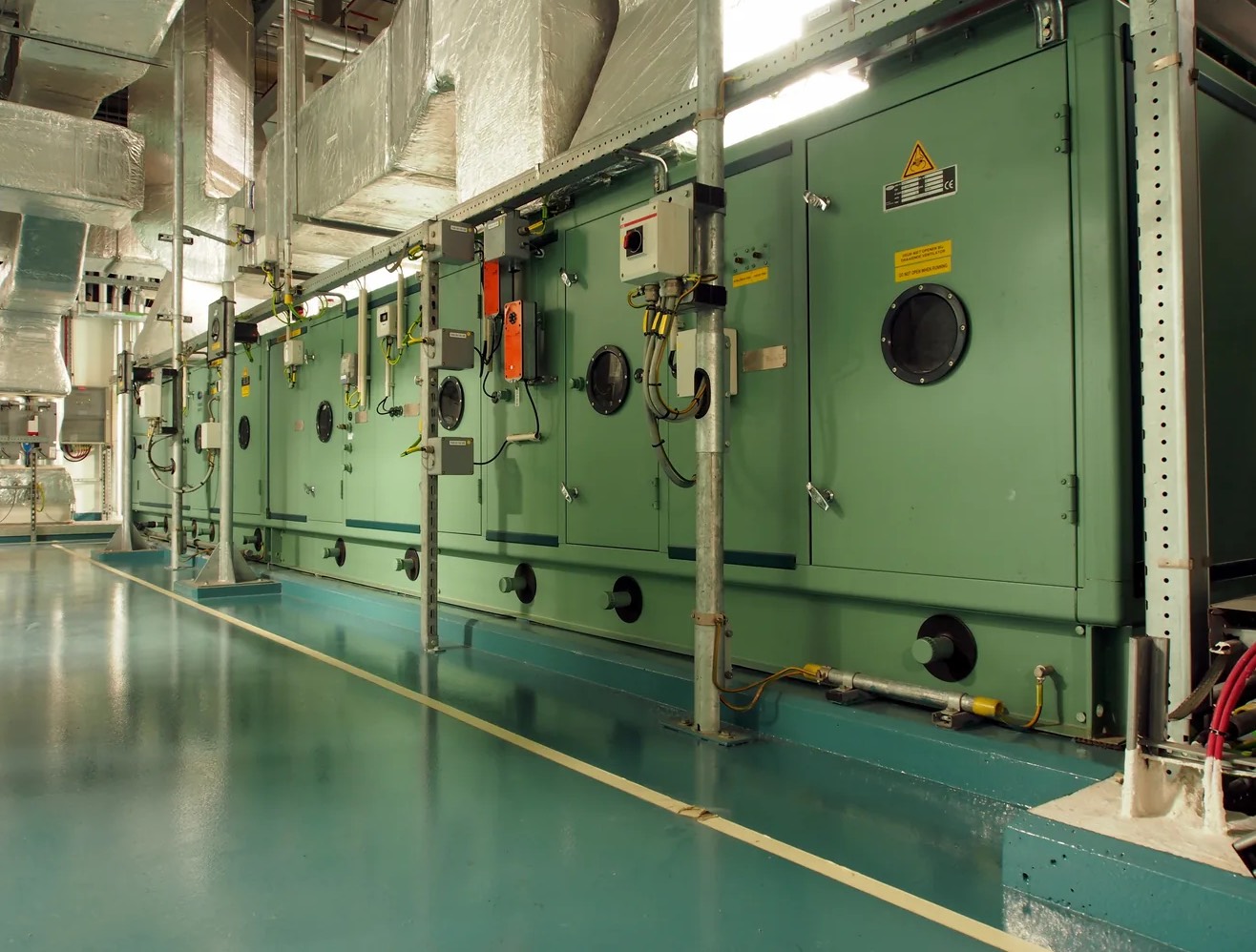
Trusted HVAC Fire Damage Cleanup in Quincy, Massachusetts
Post-fire duct sanitization ensures that microbial growth, which can thrive on soot residues, is eliminated from your HVAC system. This step prevents mold and bacteria from compromising indoor air.
In Quincy and nearby locales like Braintree, Milton and Weymouth, odor removal after fire in HVAC is common. Odor particles bind to dust and ducts. Local HVAC fire damage cleanup pros use oxidation during duct sanitization to break them down.
HVAC Fire Damage Cleanup Services in Quincy
Smoke Odor Neutralization
Eliminating smoke odor requires a multi-pronged approach. After cleaning, odor counteractants circulate through the ducts. This neutralizes smells embedded in materials that physical cleaning alone cannot remove.
HVAC Soot
Soot accumulation inside your HVAC system after a fire can cause operational issues and circulate contaminants. Local HVAC fire damage cleanup pros perform a thorough removal of all fire-related debris from critical system parts.
Air Duct Soot Removal
Soot inside ducts is oily and sticks to surfaces. Aggressive mechanical cleaning removes visible residue. The goal is to stop the distribution of odors and harmful materials.
Emergency HVAC System Shutdown
Emergency HVAC system shutdown is the first action after a fire. Running the system spreads soot and smoke to every room. A professional can safely secure the system at the breaker.
Post-Fire Duct Sanitization
The goal of post-fire duct sanitization is a better-than-pre-fire hygienic state. It targets microscopic organisms feeding on smoke residues. This service makes ducts clean and resistant to biological growth.
Indicators Your HVAC Needs Fire Damage Cleanup
Visible Soot Around Air Vents
Black dust or smudges near your vents and registers are clear indicators of smoke damage circulating through your ducts.
Activation of Smoke Alarms From HVAC
Smoke detectors triggering when the HVAC system turns on is a severe sign of active particulate circulation needing emergency cleaning.
Increased Allergy or Respiratory Issues
New or worsening allergy symptoms among occupants can point to poor indoor air quality from post-fire HVAC contamination.
Ash or Debris Blowing From Vents
Finding particulate matter or ash being discharged from your vents confirms the HVAC system is contaminated and needs attention.
How HVAC Fire Damage Cleanup Works in Quincy
Step 1: Containment and Safety Setup
To prevent cross-contamination, work areas are sealed. This setup ensures that soot and debris disturbed during the fire damaged HVAC duct cleaning process are contained and safely removed from the property.
Step 2: Mechanical Agitation of Duct Surfaces
Specialized rotary brushes or air whips are used inside the ducts. This agitation loosens hardened soot from the metal surfaces, preparing it for extraction in the HVAC system restoration after fire.
Step 3: Odor Removal After Fire in HVAC
After physical cleaning, a focused smoke odor neutralization treatment is applied. This often involves sealing duct seams and using fogging or sealing techniques to encapsulate odor molecules.
Step 4: System Performance Check
Once cleaning is complete, the HVAC system is restarted and monitored. The goal is to confirm proper airflow and operation, ensuring the air duct smoke damage cleanup was successful.
How Fires Affect HVAC Systems in Quincy
Neighboring Structure Fire Smoke Infiltration
Smoke from a nearby fire can be drawn into your home's ventilation system, contaminating ducts and components with external soot.
Thermal Expansion During the Fire
Intense heat can cause metal ductwork to expand and contract, potentially opening seams that allow soot to enter enclosed spaces.
Improper Use of HVAC After Fire
Running the heating or cooling system before cleanup spreads soot and odor throughout the entire home, worsening the contamination.
Soot Backdraft During Firefighting
Firefighting activities can create pressure changes that force soot and smoke deep into wall cavities and the air duct system.
Home and Business HVAC Fire Damage Cleanup Serving Quincy
Residential HVAC Fire Damage Cleanup
Residential HVAC filter replacement after a fire is just the first step. Soot adheres to duct walls and the blower. The specialists clean these components to prevent odor and corrosion.
Commercial HVAC Fire Damage Cleanup
In commercial settings, fire residues can compromise sensitive equipment and inventory. A complete HVAC decontamination after smoke protocol, including air quality testing, is essential for health standards compliance.
Hiring Local Pros for HVAC Fire Damage Cleanup in Quincy
If safe, visually inspect air vents for soot and take photos for insurance. Avoid running the HVAC system, as it spreads contamination. For cleaning and air quality testing, contact the pros in Quincy.
What Affects HVAC Fire Damage Cleanup Cost in Quincy
The price for air duct smoke damage cleanup in Quincy considers the number of HVAC filter replacements required and if vent cleaning for smoke damage is a full-system service.
Post-Cleanup Verification
Including professional air quality testing post-cleanup adds a step to confirm the effectiveness of the HVAC system restoration after fire.
Accessibility of Components
Easily accessed vents and a readily available air handler simplify the process of cleaning soot from vents and blower motors.
Odor Neutralization Complexity
Stubborn smoke smells that permeate insulation or building materials may require advanced odor removal after fire in HVAC techniques.
Does Insurance Cover HVAC Fire Damage Cleanup?
For HVAC decontamination after smoke, check the policy for smoke damage provisions. The specialists compile evidence, including air quality test results. Homeowners forward this to their insurer to determine benefits.
Selecting Local Pros for HVAC Fire Damage Cleanup in Quincy
Detailed System Assessment
Inspection covers all components, from vents to the blower motor, to plan an effective fire damaged HVAC duct cleaning strategy.
Documentation for Homeowners
Detailed records of the damage and cleanup process are provided to assist you with any necessary insurance communication.
IICRC-Standard Cleaning Protocols
Methods follow industry standards for soot removal from air ducts and HVAC decontamination after smoke, addressing particulate and residue properly.
24/7 Emergency HVAC Fire Damage Cleanup in Quincy
Smoke and soot in ducts need a professional response to protect a home's air. Contact fire damage air quality testing and cleanup pros at (617) 682-9090 for emergency service around the clock in Quincy.
Call Now (617) 682-9090HVAC Fire Damage Cleanup Service Area Includes Quincy
Each place listed below has its own page with local details.
HVAC Fire Damage Cleanup FAQs
Is air duct soot removal a messy process?
Professionals use containment methods like negative air machines and seal access points to prevent soot from escaping into your living spaces during the cleaning.
What happens during emergency HVAC system shutdown?
A professional will safely power down the system at the thermostat and circuit breaker to immediately stop the circulation of soot-laden air throughout your home.
What areas need vent and register cleaning after a fire?
Every supply and return vent and register in the home should be cleaned, as smoke and soot travel through the entire duct system during a fire event.
What does air quality testing post-cleanup measure?
It measures airborne particulate levels to objectively confirm the effectiveness of the HVAC fire damage cleanup, ensuring the indoor environment meets health and safety benchmarks.
What steps are part of HVAC system restoration after fire?
Steps typically are emergency shutdown, detailed inspection, thorough cleaning of all components, replacement of damaged parts like filters, sanitization, and final air quality verification to ensure completeness.