Ferry Street, MA
Mold Structural Damage Restoration in Ferry Street, MAPost-Remediation Structural Drying & Structural Wood Mold Treatment
Mold Structural Damage Restoration in Ferry Street involves services like HVAC duct mold cleaning, mold damaged flooring removal, and post-remediation structural drying.
Answered 24/7
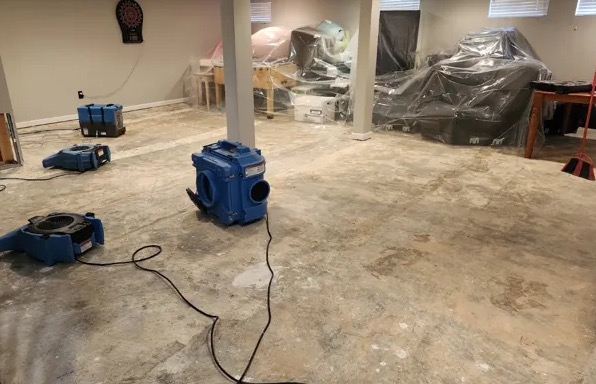
Professional Mold Structural Damage Restoration in Ferry Street, MA
In the Ferry Street area, leaks and floods can let mold grow inside walls and under floors. Early intervention limits the scope of required repairs.
For homes in Ferry Street, contaminated insulation and flooring are removed to protect the structure. The area's climate can influence moisture levels that promote fungal mold. Local mold remediation pros offer 24/7 emergency containment and cleanup.
Mold Structural Damage Restoration Services in Ferry Street
Post-Remediation Structural Drying
Local mold remediation pros use industrial air movers after mold removal. They bring wood and concrete moisture levels down to normal to prevent regrowth.
Structural Wood Mold Treatment
Mold on structural wood can weaken it over time. Treatment cleans the wood deeply and applies antimicrobial products once the moisture source is fixed.
HVAC Duct Mold Cleaning
Dark, damp ductwork is a common place for mold. Cleaning uses tools that reach deep into the system and remove mold without blowing it into the living space.
Mold Infested Drywall Removal
The pros in Ferry Street handle damaged drywall carefully. They set up containment, remove the material, and sanitize underlying studs to prevent regrowth.
Mold Damaged Flooring Removal
The pros in Ferry Street handle mold under flooring. They pull up material, assess the subfloor, and dispose of contaminated flooring properly.
Signs of Mold Structural Damage
Peeling Paint or Wallpaper
Adhesive failure and paint blistering are common signs of moisture and mold behind the surface.
Cracking or Splitting Wood Joints
As mold weakens structural wood, joints and supports may start to show physical stress cracks.
Insulation That Feels Damp
Wet or compacted attic or wall insulation stops insulating well and often hides mold growth.
Allergy Symptoms Indoors
Sudden worsening of coughs, itchy eyes, or congestion at home can be a reaction to mold spores.
How Mold Structural Damage Restoration Works in Ferry Street
Step 1: Emergency Response and Evaluation
Upon quick action, the specialists assess the scope of structural damage and plan the mold damage restoration process.
Step 2: Active Mold Growth Removal
Pros physically remove all visible mold colonies and the porous materials they grow on, such as during mold contaminated insulation removal.
Step 3: Antimicrobial Application and Treatment
After removal, approved antimicrobials are applied to remaining structural surfaces to inhibit any residual mold spores from reactivating.
Step 4: Air Quality Clearance Testing
Air samples may be taken afterward to confirm spore counts are safe.
What Causes Mold Structural Damage
Foundation Water Seepage
Groundwater or poor drainage can wet subfloors and support posts, causing mold in crawl spaces and basements.
Poor Bathroom Ventilation
Shower steam with no exhaust fan leads to moisture buildup on walls and ceilings, encouraging mold.
Chronic Plumbing Leaks
Slow drips inside walls or under floors provide constant moisture, leading to extensive structural mold damage over time.
Leaking Window or Door Seals
Failed caulking or seals allow rainwater intrusion into wall cavities, leading to mold on framing and insulation.
Mold Structural Damage Restoration for All Property Types in Ferry Street
Residential Mold Structural Damage Restoration
In homes, mold structural damage restoration addresses hidden mold in wall cavities, under flooring, and within attics. The pros remove drywall, treat the subfloor and dry the structure so the home is safe again.
Commercial Mold Structural Damage Restoration
For businesses, mold can disrupt operations and affect air quality in offices, retail spaces, or warehouses. The pros remove insulation and clean ducts with containment to limit business downtime.
When to DIY and When to Hire Local Pros for Mold Structural Damage Restoration
You can safely improve ventilation by using exhaust fans and dehumidifiers to lower general humidity after a minor spill. Active mold or water damage inside walls needs a professional inspection and drying.
Cost Considerations for Mold Structural Damage Restoration in Ferry Street
Costs vary based on the accessibility of the damaged areas, such as tight crawlspaces or spaces behind finished walls. The necessity of post-remediation verification testing or clearance sampling also contributes to the final project scope and its associated factors.
Containment Level
Establishing negative air pressure and sealing off work zones adds to the project scope and required equipment.
Material Type
Costs differ between treating porous wood studs versus non-porous materials, as each requires specific mold removal and restoration approaches.
Access Challenges
Hard-to-reach areas like ducts or closed subfloors take more time and tools to clean.
Does Insurance Cover Mold Structural Damage Restoration?
A homeowners policy may provide for mold structural damage restoration if the mold is a direct result of a covered loss. The role of the pros is to accurately document the extent of damage with photos and moisture readings for the property owner's records. All final determinations about payment for structural repair are made by the insurer.
Reasons to Select Local Pros for Mold Structural Damage Restoration
Comprehensive Mold Removal
The process addresses both visible mold and hidden spores in materials like drywall, insulation, and subfloors.
Post-Remediation Verification
A final check confirms spore counts are acceptable after drying and repairs.
IICRC-Standard Remediation
Methods follow industry guidelines for safe mold abatement and structural repair, focusing on containment and proper removal.
24/7 Emergency Mold Structural Restoration in Ferry Street
Emergency mold and mildew removal from structural components cannot wait. For help with containment and assessment in Ferry Street, call (617) 682-9090 anytime. The pros focus on halting further structural damage during the initial response.
Call Now (617) 682-9090Mold Structural Damage Restoration in Ferry Street and Other Areas Served
Homes and businesses throughout Ferry Street can get mold contaminated insulation removal and subfloor mold remediation as part of mold structural damage restoration.
- Mold Structural Damage Restoration in Arlington
- Mold Structural Damage Restoration in Belmont
- Mold Structural Damage Restoration in Boston
- Mold Structural Damage Restoration in Brookline
- Mold Structural Damage Restoration in Cambridge
- Mold Structural Damage Restoration in Chelsea
- Mold Structural Damage Restoration in Everett Heights
- Mold Structural Damage Restoration in Everett Square
Mold Structural Damage Restoration FAQs
Can structural wood mold treatment save damaged beams?
If the damage is only on the surface, cleaning and antimicrobial treatment can often save the wood. Badly weakened load-bearing members may need to be reinforced or replaced by a contractor.
Why is emergency mold containment setup important?
Containment with plastic sheeting and negative air pressure isolates the work area, preventing mold spores from spreading to clean parts of your home during remediation.
What happens during post-remediation structural drying?
After mold removal and repairs, industrial dehumidifiers and air movers dry out new materials and adjacent structures to prevent residual moisture from causing new mold growth.
How is mold and mildew removal from structural elements different?
Mildew is surface-level and can often be cleaned. Deep structural mold gets into materials, so those materials must be removed.
When is HVAC duct mold cleaning recommended?
If an inspection finds mold in the ductwork, it needs to be cleaned so the system does not spread spores through the home.