Milford, MA · Worcester County
Rainwater Intrusion Cleanup in Milford, MAStructural Drying Services & Moisture Inspection Services
Rainwater Intrusion Cleanup in Milford includes rainwater damage cleanup, moisture inspection services, and wall water damage repair.
Answered 24/7
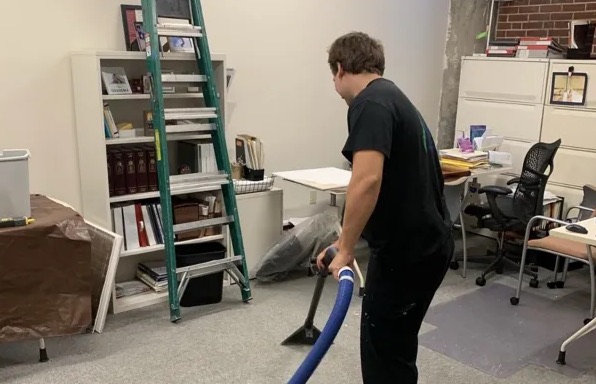
Professional Rainwater Intrusion Cleanup in Milford, MA
In Milford, untreated water intrusion can lead to widespread microbial growth and structural weakening, posing health and safety concerns. Engaging experts early helps contain damage and reduce overall restoration costs.
Rainwater intrusion cleanup in Milford addresses leaks in attics, walls, and floors. Mold remediation pros perform moisture inspection and antimicrobial applications. This prevents microbial growth in damp cavities.
Rainwater Intrusion Cleanup Services in Milford
Structural Drying Services
Structural drying services address moisture inside wall cavities and under flooring. Industrial air movers and dehumidifiers are used, with progress tracked by moisture meters. This aims to protect a home's wooden framework from warping.
Moisture Inspection Services
A professional moisture inspection identifies all areas impacted by water, including behind surfaces. Experts use scientific instruments for precise moisture content data. This service in Milford ensures no hidden dampness is overlooked.
Rainwater Damage Cleanup
Rainwater damage cleanup extracts water from living spaces to prevent deep saturation. The experts use high-capacity equipment to protect materials. Prompt action preserves property.
Wall Water Damage Repair
This service reconstructs walls after water intrusion and successful drying. Professionals clear ruined sections, ensure the underlying structure is sound, then install new drywall to close restoration.
Ceiling Leak Cleanup
Ceiling leak cleanup involves extracting water, removing unsalvageable drywall, and drying exposed joists. This addresses visible stains and unseen saturation, stopping moisture spread to adjacent rooms.
Warning Signs You Need Rainwater Intrusion Cleanup in Milford
Gurgling Sounds in Drains
Unusual noises from drains during a rainstorm can signal a compromised drainage system allowing water backflow into the property.
Visible Mold Growth
Any fuzzy black, green, or white patches on walls or ceilings are signs of active mold after water damage.
Sagging or Stained Ceilings
A ceiling that sags or has large, dark stains is a critical sign of a serious leak requiring ceiling leak cleanup.
Efflorescence on Foundation Walls
White, chalky mineral deposits on concrete or masonry indicate water is moving through the material, a precursor to damage.
How Rainwater Intrusion Cleanup Works in Milford
Step 1: Emergency Water Removal
The experts start by removing all standing water using submersible pumps and truck-mounted extractors, a critical first step in water damage restoration.
Step 2: Comprehensive Moisture Inspection
Using infrared cameras and moisture meters, the experts in Milford map the full extent of hidden dampness in walls, floors, and ceilings.
Step 3: Structural Drying Process
Industrial air movers and dehumidifiers are strategically placed to create optimal drying conditions, drawing moisture from building materials back into the air.
Step 4: Final Verification and Documentation
Once drying goals are met, final moisture readings are taken and documented, providing a record for you and your insurance provider.
Common Causes Requiring Rainwater Damage Cleanup in Milford
Cracked or Settled Foundation
Hairline cracks in the foundation allow groundwater to seep into basements and crawlspaces, often requiring flooded basement drying services.
Clogged or Damaged Gutters
Gutters overwhelmed by debris overflow, directing rainwater directly against your home's siding and foundation, leading to water intrusion repair needs.
Plumbing Vent Boot Failures
The rubber seals around plumbing vent pipes on the roof can crack over time, creating a direct channel for rainwater entry.
Failed Flashing Around Chimneys
Compromised metal flashing where the roof meets vertical structures is a common entry point for water during wind-driven rains.
Rainwater Intrusion Cleanup for Homes and Businesses in Milford
Residential Rainwater Intrusion Cleanup
Residential ceiling leak cleanup often involves accessing confined attic spaces to dry insulation and roof decking. The pros prevent cosmetic stains from becoming major structural repairs through timely intervention.
Commercial Rainwater Intrusion Cleanup
In commercial buildings, rainwater intrusion can damage sensitive equipment and important documents. Professional moisture inspection services identify all affected zones, ensuring the structural drying process is comprehensive and effective.
Weighing Rainwater Intrusion Cleanup Options: DIY or Professionals in Milford
Homeowners can blot water from hard surfaces with towels and use fans for air circulation. For water in building cavities or wet carpets, specialized equipment is needed to dry properly and prevent mold.
Rainwater Intrusion Cleanup Cost in Milford, MA
The investment in home water damage restoration for a Milford property depends on affected rooms and flooring type. Needing commercial water extraction for a larger space differs from a residential job in pricing structure.
Content Restoration Needs
The cost for wet carpet extraction and drying is separate from the price to clean and restore damaged furniture and personal belongings.
Affected Materials and Finishes
Restoring hardwood floors or custom cabinetry after wall water damage repair typically costs more than drying concrete subfloors.
Required Drying Time
The number of days needed for structural drying services with industrial air movers and dehumidifiers influences labor and equipment costs.
Does Insurance Cover Rainwater Intrusion Cleanup?
Promptly notify an insurer when emergency water removal is needed in Milford. The experts document damage for the claim. Coverage decisions rest with the insurance provider.
Why Choose Local Water Extraction Experts for Rainwater Intrusion Cleanup in Milford
Detailed Damage Documentation
Thorough photo and video documentation along with moisture logs are prepared to support your communication with your insurance company.
Content Restoration Focus
The process includes careful handling and drying of personal belongings and furniture whenever possible during the water removal project.
IICRC-Standard Drying Methods
The experts follow industry-established protocols for structural drying to help ensure moisture is removed efficiently from building materials and contents.
24/7 Emergency Rainwater Intrusion Cleanup in Milford
Water intrusion in Milford does not wait for business hours. Delaying cleanup can lead to costly repairs from warped floors. Contact local pros any time at (617) 682-9090.
Call Now (617) 682-9090Rainwater Intrusion Cleanup Service Area Including Milford
The places below are also served, and each one has its own page.
- Rainwater Intrusion Cleanup in Ashland
- Rainwater Intrusion Cleanup in Framingham
- Rainwater Intrusion Cleanup in Natick
- Rainwater Intrusion Cleanup in Needham
- Rainwater Intrusion Cleanup in Sudbury
- Rainwater Intrusion Cleanup in North Andover
- Rainwater Intrusion Cleanup in Acton
- Rainwater Intrusion Cleanup in Andover
Rainwater Intrusion Cleanup FAQs
Can wet carpet be saved after rainwater intrusion?
Often, yes, if extraction and drying begin quickly. Pros use wet carpet extraction tools, then lift the carpet to dry the pad and subfloor. This prevents mold and odors.
What happens during a flooded basement drying project?
The project begins with pumping out standing water, followed by extracting water from carpets and removing wet belongings. Industrial dehumidifiers and air movers are then deployed to dry the foundation walls, slab, and any framing.
How quickly should I respond to rainwater damage in my home?
Response should be immediate. Water causes structural damage and promotes mold growth within hours. Contacting local pros for emergency water removal is crucial to limit damage.
Why is emergency water removal considered a critical first step?
Removing standing water quickly stops further absorption into materials and reduces drying time. This initial step limits the scope of damage and the potential for mold growth.
What is the difference between water extraction and drying?
Water extraction is the physical removal of standing liquid. Drying is the subsequent process of evaporating and removing moisture that has been absorbed into materials like wood, drywall, and concrete using specialized equipment.