Glendale, MA · Middlesex County
Smoke Damage Sanitation in Glendale, MAPost-Fire Deep Cleaning & Smoke Odor Removal
In Glendale, professional smoke damage sanitation includes HVAC duct smoke cleaning, structural smoke deodorization, and soot residue cleaning.
Answered 24/7
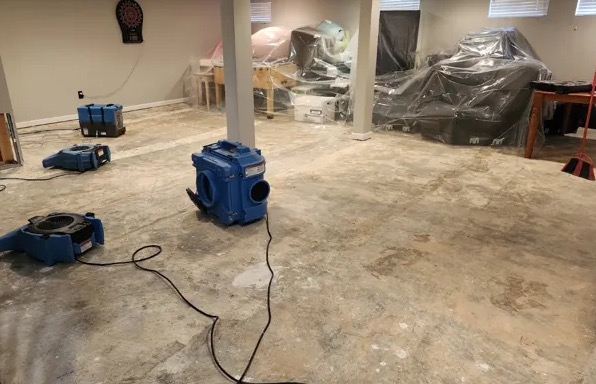
Smoke Damage Sanitation Services for Glendale Homes and Businesses
After a fire, smoke residue in Glendale homes needs professional cleanup to remove lasting smells and protect the structure. Pros follow several steps: dry soot removal, then wet cleaning and deodorizing of affected materials.
After a kitchen fire or larger incident in Glendale, smoke gets into homes and businesses in ways that need professional cleaning. Local smoke damage pros remove soot and odor with methods suited to building materials in the Glendale area, and they also serve Malden, Linden and Chelsea.
Full-Scope Smoke Damage Sanitation Offered in Glendale
Post-Fire Deep Cleaning
Pros wet-wipe all hard surfaces and HEPA vacuum upholstery in a set order so cleaned areas are not soiled again.
Smoke Odor Removal
Air fresheners only cover the smell. Pros check how far odor reached into insulation and upholstery, then use air scrubbing and fogging to break it down.
Soot Residue Cleaning
Soot coats every surface, even inside cabinets. Pros dry clean first, then wet clean, which protects materials in homes throughout Glendale.
Wall Ceiling Smoke Cleaning
Different wall finishes need different methods. Pros identify the paint sheen and material to avoid streaks or dulling.
HVAC Duct Smoke Cleaning
Dirty ductwork can undo other cleaning. Pros seal vents, then clean ducts with agitation and negative air machines in homes across Glendale.
How to Know You Need Smoke Damage Sanitation in Glendale
Persistent Smoke Smell After Cleaning
A smoky smell that stays after your own cleaning means professional odor removal is needed.
Soot Stains Reappear on Walls
Stains that come back after wiping mean the walls and ceilings need a deeper clean.
Visible Soot on Surfaces and Items
Black or gray residue on walls, ceilings or belongings means soot still needs cleaning.
Smoke Damage in HVAC Vents
A smell from the vents when the system runs means the ducts need cleaning.
How Smoke Damage Sanitation Works in Glendale
Step 1: Damage Documentation and Scope
The pros photograph and assess every area affected by smoke, soot and odor.
Step 2: Dry Soot Removal and Vacuuming
Loose, dry soot is vacuumed with HEPA filtration so it does not become airborne during cleaning.
Step 3: Wet Cleaning of Sticky Residues
Oily residue is cleaned with professional products made for safe, effective smoke residue removal.
Step 4: Air Scrubbing and Odor Remediation
Air scrubbers filter particles while deodorizing agents treat the source of the smoke smell.
What Causes Smoke Damage in Glendale Homes
Smoke Damage After Fire Is Put Out
Smoke keeps settling into walls and materials even after the flames are out.
Kitchen Grease Fire Residue
Grease fires leave sticky, strong-smelling soot that needs professional cleaning to remove.
Fireplace or Chimney Backdraft
Smoke from a fireplace or chimney backdraft coats nearby rooms with soot.
Secondary Smoke From Neighboring Fires
Smoke from a neighboring fire can drift in and leave odors behind.
Residential and Commercial Smoke Damage Sanitation in Glendale
Residential Smoke Damage Sanitation
Homeowners get help from board-up through final deodorizing, including soot in light fixtures, on windowsills and inside closets.
Commercial Smoke Damage Sanitation
Large commercial buildings with high ceilings need soot cleaning scaled up, with work planned to limit business interruption.
When to Hire Fire Damage Cleaning Pros for Smoke Damage Sanitation in Glendale
You can vacuum loose, dry soot with a HEPA vacuum and soft brush and move affected items to a ventilated area. If residue is oily or sticky, leave it to the experts with the right cleaning agents.
Understanding Smoke Damage Sanitation Cost in Glendale
In Glendale, cost is not a flat rate; it depends on square footage, access to affected areas and how long cleaning takes.
Content Cleaning Needs
The number and type of belongings to clean, from furniture to electronics, affects the price.
Structural Deodorization Methods
Thermal fogging or ozone treatment for stubborn odors adds equipment and cost.
Affected Surface Area
The total area of walls and ceilings to clean sets the labor hours and materials.
Does Insurance Cover Smoke Damage Sanitation?
Insurance may cover smoke damage sanitation if the fire cause is a covered event. Pros document the work for the insurer, and you start the claim and review your terms.
Why Choose Local Pros for Smoke Damage Sanitation in Glendale
Emergency Board-Up Services
Board-up and tarping protect the house from weather and entry right after the fire.
Specialized Smoke Odor Removal
Thermal fogging and similar methods reach odor trapped in materials, beyond surface cleaning.
24/7 Emergency Response
Quick action matters, since soot and odor get harder to remove the longer they sit.
24/7 Smoke Damage Sanitation Help for Glendale
After the fire department leaves, cleanup becomes the priority. For help with odor and soot in Glendale, call (617) 682-9090 day or night to stop ongoing damage.
Call Now (617) 682-9090Smoke Damage Sanitation Service Area for Glendale and Beyond
Each place listed below has its own page with local details.
Smoke Damage Sanitation: Your Questions Answered
Is it safe to stay in a home during smoke damage sanitation?
Often not, because of airborne particles and cleaning agents; the pros can advise on temporary moves.
How long does smoke damage cleanup typically take?
A small room may take days, while whole-house smoke cleanup can take several weeks.
What is post-fire deep cleaning?
A top-to-bottom clean after soot removal that covers every surface and fixture to get rid of fine ash.
Can smoke damage be cleaned from HVAC systems?
Yes. Pros clean supply and return ducts, registers, coils and the air handler to remove soot and odor.
Why is quick action important for smoke damage?
Early cleaning removes soot before acids etch surfaces, which makes the job easier and smaller.