Ashland, MA · Middlesex County
Storm Damage Restoration in Ashland, MAWind-Driven Rain Drying & Emergency Board Up Services
Storm Damage Restoration for Ashland homes covers storm flooded basement cleanup, wind-driven rain drying and emergency roof tarping.
Answered 24/7
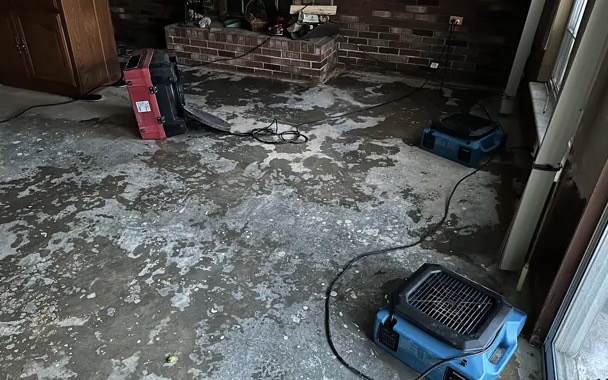
Storm Damage Cleanup and Drying in Ashland
Storms let water in through damaged roofs, broken windows and torn siding. Once inside, it soaks carpet, runs into walls and drips through ceilings.
Storm damage restoration is available in Ashland and nearby Framingham, Natick and Milford. The pros handle board-up, tarping, water extraction and drying after storms of any size.
Storm Water Removal and Drying in Ashland
Wind-Driven Rain Drying
Strong wind pushes rain sideways through window frames, vents and siding joints. The pros dry the wall cavities and floors that this water reached.
Emergency Board Up Services
Plywood is fastened over broken glass and damaged doors right after the storm. It stays until the window or door can be replaced.
Hail Damage Leak Cleanup
Water that gets in through hail damage is removed from the attic, wet insulation is pulled and the ceiling below is dried.
Wall Cavity Drying After Storms
When siding is torn or cracked in a storm, rain gets into the wall. The inside is dried while the outside is covered until it can be repaired.
Emergency Roof Tarping
Tarping keeps the attic and ceilings from getting wet again during the storms that often follow the first one.
How to Tell a Storm Let Water Inside
Wet Attic Insulation
Damp or matted insulation in the attic after a storm means rain is getting past the roof deck.
Wet Carpet Near Windows and Doors
Damp carpet or swollen flooring along exterior walls shows that rain was driven in around frames or under doors.
Musty Smell After Heavy Rain
A damp smell that was not there before the storm usually means wet insulation, carpet pad or wall cavities.
Mud or Debris Indoors
Mud, leaves or glass inside the house mean storm water came in from outside and floors need cleaning as well as drying.
How Storm Damage Restoration Works in Ashland
Step 1: Protect Belongings
Furniture, electronics and stored items in wet rooms are moved, raised or covered before extraction begins.
Step 2: Extraction Room by Room
Water is removed from each affected room, and wet carpet that cannot be saved is pulled up.
Step 3: Wall Cavity Drying After Storms
Water behind siding and inside exterior walls is found with meters and dried through small openings or removed baseboards.
Step 4: Verify and Close Out
Final readings and photos are recorded for each room, so you and your insurer can see the drying results.
How Storms Let Water Into Ashland Homes
Power Outages
Storms that knock out power stop pumps and dehumidifiers, so water that gets in stays longer than it otherwise would.
Roof Damage From Wind
High winds lift and tear shingles and flashing, exposing the roof deck to rain that soaks into the attic.
Hail Impact
Hail cracks shingles, skylights and vent caps, opening small gaps that leak during the storms that follow.
Flash Flooding
Sudden heavy rain can send water across yards and under doors faster than drains and gutters can carry it away.
Storm Cleanup for Ashland Homes and Commercial Buildings
Residential Storm Damage Restoration
For homeowners, the first job after a storm is stopping more water from getting in. Board-up and tarping come first, then extraction and drying.
Commercial Storm Damage Restoration
Property managers get moisture readings and photos for each affected unit or suite, which helps when several tenants and insurers are involved.
What You Can Do Safely After a Storm in Ashland
A wet-dry vacuum can pick up small amounts of water from hard floors. Soaked carpet, walls and ceilings need extraction and drying equipment to dry fully.
What Drives Storm Damage Restoration Cost?
Storm water from outside can carry dirt, which means more cleaning and sometimes more material removal than a clean water leak.
Debris Inside
Mud, glass, branches and wet insulation inside the house take time to clear and dispose of.
Rooms Affected
Each wet room needs extraction, drying equipment and moisture checks, so the number of rooms sets much of the cost.
Water Source
Rain coming through a roof is cleaner than floodwater from outside. Dirty water means more cleaning and removal of porous materials.
Does Insurance Cover Storm Damage Restoration?
Many homeowner policies cover water damage from wind and hail when the storm opens the roof or breaks windows. Flood water from outside usually needs a separate flood policy.
Why Storm Damage Needs Professional Drying in Ashland
Drying to Measured Targets
Drying ends when readings show walls and floors are dry, not when the surface looks dry.
Records for Your Claim
Photos, readings and a list of removed materials give your adjuster a clear picture of the storm damage inside the house.
Openings Covered First
Board-up and tarping keep more rain out, so drying is not undone by the next storm.
Storm Water Inside Your Ashland Home Right Now?
A broken window or an open roof lets in more rain with every storm. Call (617) 682-9090 any time for board-up, tarping and drying in Ashland.
Call Now (617) 682-9090Local Storm Damage Restoration Areas: Ashland and Beyond
Each place listed below has its own page with local details.
Your Storm Damage Restoration Questions Answered
Do I need to leave my home during storm cleanup?
Usually not, unless the damage makes the home unsafe or power is out. Wet areas are closed off while equipment runs.
What is emergency board-up?
Plywood is fastened over broken windows and doors so rain and wind stay out and the home is secure while it dries.
Should debris be removed before the adjuster visits?
Take photos and video first. Your insurer can tell you what to keep for the adjuster, but wet debris inside the house may need to be removed to prevent more damage.
What records will I get for my insurance claim?
Photos of the damage, daily moisture readings and a list of removed materials, which you can share with your adjuster.
What does storm damage restoration cost?
It depends on how many rooms got wet, whether board-up and tarping are needed and how long drying takes. The pros price the job after seeing the damage.