Burlington, MA · Middlesex County
Black Mold Remediation & Removal in Burlington, MAMoisture Source Correction & Mold-Contaminated Material Removal
Proper black mold remediation & removal in Burlington demands mold containment procedures, post remediation verification, and moisture source correction.
Answered 24/7
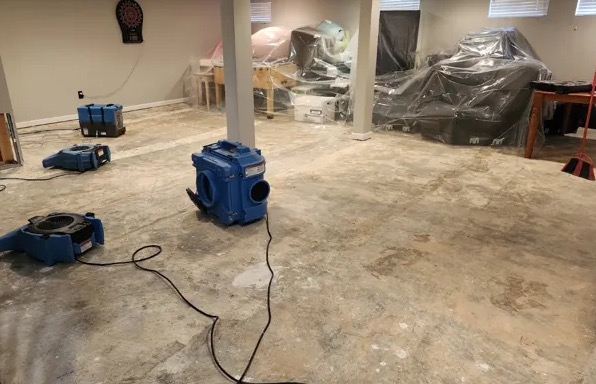
Local Black Mold Remediation & Removal for Burlington Properties
Black mold in a Burlington property needs proper containment and removal. Testing can identify the species, but removal must not spread spores.
Black mold remediation and removal for properties in Burlington and nearby places like Woburn, Wilmington and Lexington addresses localized moisture issues that foster toxic mold. The process includes HEPA vacuuming and antimicrobial treatment.
Black Mold Remediation & Removal Methods Used in Burlington
Moisture Source Correction
In Burlington, mold comes back unless the water problem behind it is fixed, so moisture source correction is part of every lasting remediation.
Mold-Contaminated Material Removal
The removal of mold-infested building materials is often necessary when growth is extensive. It is done inside the containment zone.
HEPA Vacuuming for Mold Spores
HEPA vacuuming services target remaining particulate on floors, walls, and other hard surfaces. These vacuums are designed to trap extremely small particles that standard vacuums would recirculate into the air.
Black Mold Inspection
Black mold inspection involves a detailed visual assessment and may include moisture mapping to find the source of the problem. The result is a removal plan for your home.
Antimicrobial Treatment for Mold Remediation
The application of EPA-registered antimicrobial solutions helps sanitize the areas where mold was removed. It treats surfaces to discourage new mold.
Indicators for Black Mold Remediation & Removal in Your Home
Mold Recurrence After Cleaning
If mold returns quickly after you clean it, the moisture source was never fixed.
Recent Water Damage History
Previous leaks, flooding, or high humidity events create the perfect environment for toxic mold to begin growing unseen.
Damp Basement or Foundation Walls
Efflorescence, damp spots or general dampness in lower levels are ideal for black mold.
Warped or Stained Drywall
Discoloration, bulging, or softening of drywall or ceiling materials points to moisture damage and likely mold contamination.
How Black Mold Remediation & Removal Works in Burlington
Step 1: Professional Mold Inspection
The process begins with a detailed mold inspection to assess the extent of contamination, identify moisture sources, and determine the scope of the black mold remediation project.
Step 2: Containment and Air Filtration
Mold containment procedures are established using physical barriers, and air scrubbers run continuously to capture airborne spores and prevent cross-contamination during the mold removal services.
Step 3: Removal and Cleaning
Mold-contaminated porous materials are safely removed. All remaining surfaces undergo HEPA vacuuming for mold spores followed by an antimicrobial treatment for mold remediation.
Step 4: Verification and Moisture Control
Verification confirms the area is clean and dry. The final, critical step is moisture source correction to prevent the mold problem from returning.
Typical Sources Requiring Black Mold Remediation
Landscaping and Grading Issues
Soil sloping toward the foundation or dense planting against walls directs water into the structure, a key factor for mold prevention failure.
Foundation Cracks and Seepage
Water seepage through cracks in the foundation or slab introduces ground moisture, a common cause of mold in basement and crawl spaces.
Condensation on Cold Surfaces
Warm, moist air contacting cold pipes, windows, or exterior walls causes condensation, which soaks into materials and feeds mold growth.
Inadequate Attic Ventilation
Poor airflow in the attic traps heat and moisture from the living space below, promoting mold growth on roof sheathing and insulation.
Black Mold Remediation & Removal Services for All Properties in Burlington
Residential Black Mold Remediation & Removal
Local mold remediation specialists use containment and HEPA vacuuming to protect your family's health and home structure during the mold remediation process.
Commercial Black Mold Remediation & Removal
For businesses, mold can disrupt operations, damage inventory, and affect employee health and customer perception. Containment separates affected spaces, and air scrubbing filters airborne particles during remediation.
Black Mold Remediation & Removal vs. DIY: When to Call Local Specialists
Regularly checking for and repairing minor plumbing leaks under sinks or around toilets is a good DIY maintenance step. When a leak has caused extensive moisture damage or hidden mold growth, professional mold inspection and containment are necessary for safe removal.
Factors in Black Mold Remediation & Removal Pricing for Burlington
The complexity of containment procedures, necessary to prevent cross-contamination during the mold abatement process, significantly influences overall service pricing due to labor, material, and equipment setup time.
Air Scrubber Requirements
The number and size of HEPA filtration units needed to clean the air during the mold remediation process influence equipment fees.
Post Remediation Verification
Independent air quality and surface testing to confirm the mold cleanup was successful is a final, confirmatory project cost.
Material Removal Volume
The amount of drywall, insulation, or flooring that is unsalvageable and requires disposal affects debris hauling and replacement costs.
Does Insurance Cover Black Mold Remediation & Removal?
Homeowners insurance may cover black mold removal if it results from a sudden, covered event like a burst pipe. Local mold remediation specialists document the damage with photos and moisture readings; your insurer decides coverage.
Why Choose Local Specialists for Black Mold Remediation & Removal in Burlington
Safe Contaminated Material Removal
Mold-damaged drywall and insulation are bagged and sealed on-site for safe disposal, following local regulatory guidelines.
HEPA Filtration & Air Scrubbing
High-efficiency particulate air filtration captures airborne mold spores during work, protecting your home's air quality during the cleanup.
Post Remediation Verification Testing
Final air and surface sampling provides objective confirmation that the mold abatement process achieved clearance standards.
24/7 Black Mold Remediation & Removal Help in Burlington
Toxic mold poses health and property risks. If you see or smell mold, act quickly. Contact (617) 682-9090 any time for emergency black mold removal service initiation.
Call Now (617) 682-9090Black Mold Remediation & Removal Service Area Including Burlington
The places below are also served, and each one has its own page.
- Black Mold Remediation & Removal in Wilmington
- Black Mold Remediation & Removal in Lexington
- Black Mold Remediation & Removal in Bedford
- Black Mold Remediation & Removal in Peabody
- Black Mold Remediation & Removal in Waltham
- Black Mold Remediation & Removal in Milton
- Black Mold Remediation & Removal in Newton
- Black Mold Remediation & Removal in Quincy
Black Mold Remediation & Removal FAQs
What is the black mold remediation process?
The process covers inspection, containment, removal of contaminated materials, HEPA vacuuming, antimicrobial treatment and verification testing.
What equipment is used for mold damage restoration?
Pros use containment barriers and negative air machines, HEPA vacuums and air scrubbers, personal protective equipment, tools for controlled demolition, moisture meters for detection, and antimicrobial spraying equipment.
Is mold testing necessary before remediation?
A professional mold inspection identifies the type and extent of mold, which guides the remediation plan. Post-remediation verification testing confirms the cleanup was successful.
What is the difference between mold removal and abatement?
In the restoration industry, the terms are often used interchangeably. Both generally describe the professional process of eliminating mold contamination and returning indoor spore levels to a normal, safe range.
What does mold containment procedures involve?
It involves sealing the work area with plastic sheeting and using negative air pressure with HEPA filters to prevent mold spores from spreading to clean zones.