Burlington, MA · Middlesex County
Ceiling Mold Removal in Burlington, MACeiling Mold Testing & Ceiling Mold Cleanup
Ceiling Mold Removal involves inspection, removal and cleanup for ceiling mold in Burlington.
Answered 24/7
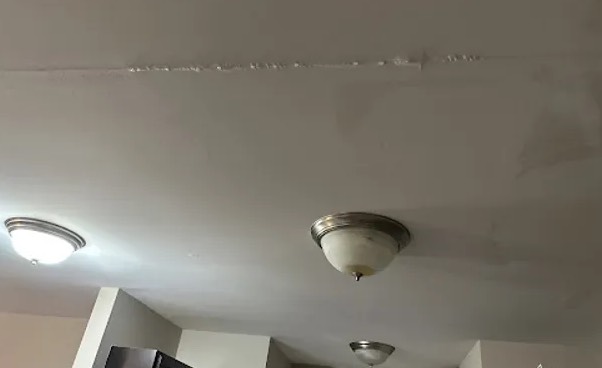
Reliable Ceiling Mold Removal in the Burlington Area
Addressing ceiling mold promptly in Burlington is key. Mold in ceiling removal cost considerations often relate to the damage extent. Delaying can lead to more extensive ceiling mold remediation needs.
Water damage ceiling mold in Burlington can escalate without prompt action. Local mold removal specialists perform emergency removal and cleanup. They cover Middlesex County and locations like Woburn, Wilmington and Lexington. Their process involves moisture mapping.
Ceiling Mold Removal Services for Burlington
Ceiling Mold Testing
Before and after ceiling mold removal, ceiling mold testing provides objective evidence. Local mold removal specialists document results homeowners can share with insurers. This adds clarity to the remediation process.
Ceiling Mold Cleanup
Ceiling mold cleanup targets hidden contamination beyond surface wiping. In Burlington, the specialists clean nearby HVAC ducts and light fixtures. This helps prevent spore circulation for a cleaner home after ceiling mold removal.
Water Damage Ceiling Mold
Water-damaged ceilings can foster mold within 48 hours. The specialists respond to dry the area and remove compromised materials. This action helps stop mold spread in Burlington, mitigating health risks.
Ceiling Mold Remediation
Professional ceiling mold remediation aims to prevent recurrence. The specialists in Burlington eliminate moisture sources and apply surface inhibitors. This end-to-end service addresses both the issue and its causes.
Emergency Ceiling Mold Removal
Emergency ceiling mold removal prevents rapid spore dissemination. The specialists begin work to set up containment and begin removal. They follow IICRC-standard methods for urgent ceiling mold removal. This action safeguards homes in Burlington.
Indicators for Ceiling Mold Removal in Burlington Homes
Discolored or Stained Ceiling Tiles
Discoloration on acoustic or drop ceiling tiles is a clear sign of moisture issues and potential ceiling mold cleanup.
History of Roof or Plumbing Leaks
Past leaks from roofs or upstairs plumbing are a major cause of recurring ceiling mold problems needing expert removal.
Dampness or Moisture on Ceiling Surface
Feeling dampness or seeing moisture beads on a ceiling surface is a direct warning sign of active mold conditions.
Peeling Paint or Bubbling Ceiling Texture
When paint peels or textured ceilings bubble, moisture is present behind the surface, creating an ideal environment for ceiling mold.
How Ceiling Mold Removal Works in Burlington
Step 1: Initial Consultation and Damage Documentation
The job starts with documenting the visible mold and water damage for insurance purposes. Photos and moisture readings create a record for your claim.
Step 2: Isolation of the Contaminated Ceiling Area
The work area is isolated with plastic sheeting to create a containment chamber. This is a standard practice in professional ceiling mold remediation.
Step 3: Mold Removal and Structural Cleaning
The specialists physically remove the growth and clean all structural surfaces. Non-porous materials are salvaged through deep cleaning and sanitizing.
Step 4: Dehumidification and Moisture Verification
Industrial dehumidifiers and fans dry the space completely. Moisture meters verify that all materials are dry to prevent immediate mold regrowth.
Common Causes of Ceiling Mold in Burlington
Plumbing Leaks in Upper Floor Walls
Leaking pipes inside walls or above ceilings release water slowly, often causing hidden black mold on ceiling growth.
Slow Leaks From Appliance Supply Lines
Dripping supply lines for washing machines or refrigerators on upper floors can saturate ceilings over a long period.
Past Flooding or Water Intrusion
Previous flooding events can leave residual moisture in ceiling cavities, leading to delayed ceiling mold remediation needs.
Air Conditioner Condensate Drain Leaks
A clogged or disconnected AC drain line can cause water to overflow and leak through the ceiling, fostering mold.
Ceiling Mold Removal for Homes and Businesses in Burlington
Residential Ceiling Mold Removal
Household ceiling mold remediation targets common problem areas like kitchens and bedrooms. The pros assess the extent, including potential hidden black mold ceiling removal, to fully address the contamination.
Commercial Ceiling Mold Removal
Office buildings and warehouses require comprehensive mold removal services for ceiling infestations. Experts manage large-scale containment and debris removal, coordinating to keep business activities as undisturbed as possible during the project.
When to Hire Local Specialists for Ceiling Mold Removal in Burlington
Check the attic periodically for roof leak signs like stained insulation. Ensure soffit vents are not blocked. Finding attic mold is a job for the experts.
Factors Affecting Ceiling Mold Removal Price in Burlington
Removing black mold on a ceiling costs depend on toxicity and required safety protocols. Pros check if the moisture issue is fixed, which impacts the total service scope.
Emergency Service Timing
Responding to urgent ceiling mold situations outside of standard business hours may involve different rate structures for the professional service and work.
Required Containment Measures
Sealing off the work area with plastic sheeting and using negative air machines to prevent spore spread are essential steps that factor into pricing.
Type of Mold Present
Identifying black mold or other toxic varieties necessitates stricter safety protocols and specialized disposal methods, which can increase the overall project cost.
Does Insurance Cover Ceiling Mold Removal?
For water damage ceiling mold, insurers may cover remediation if the water damage is a covered claim. Coverage often excludes mold from long-term humidity. Local experts document the damage for adjuster submission.
Advantages of Hiring Local Specialists for Ceiling Mold Removal in Burlington
Ceiling Mold Prevention Guidance
After removal, insights on controlling indoor humidity and ventilation can be offered to help discourage future mold growth on ceilings.
Moisture Source Identification
Addressing the root cause of water damage ceiling mold is a priority to prevent the issue from recurring after the cleanup is complete.
Advanced Air Filtration
HEPA air scrubbers run continuously during ceiling mold cleanup to capture airborne spores and maintain air quality in the contained work area.
Round-the-Clock Emergency Ceiling Mold Removal in Burlington, MA
When ceiling mold cleanup cannot wait due to health concerns or active water intrusion, emergency services are available. For immediate help, call professional mold removal services at (617) 682-9090.
Call Now (617) 682-9090Ceiling Mold Removal Service Area Including Burlington, MA
Other places served are listed below, each with its own page.
Ceiling Mold Removal Common Questions Answered
Can I remove ceiling mold myself with bleach?
Bleach is not recommended for porous surfaces like drywall as it only bleaches the surface and does not kill roots; improper DIY can worsen spore dispersal.
What happens during a ceiling mold inspection?
An inspector visually assesses the growth, may use moisture meters to find dampness, and could recommend air or surface sampling to identify the mold type and spore concentration.
Why is ceiling mold prevention important after removal?
Preventing regrowth protects your investment in remediation and your indoor air quality. It involves fixing leaks, improving ventilation, and controlling indoor humidity levels below 60%.
How long does typical ceiling mold cleanup take?
The timeline varies from a day for a small, contained area to several days for extensive contamination, depending on drying time needed for underlying moisture and any repairs.
Are there health risks from mold on ceiling removal attempts?
Disturbing mold without proper containment can release a high concentration of spores into the air, potentially causing allergic reactions or respiratory issues for occupants.