Glendale, MA · Middlesex County
Black Mold Removal from Water Damage in Glendale, MABlack Mold Inspection & Contaminated Material Removal
Black Mold Removal from Water Damage in Glendale begins with a black mold inspection and water damage source containment.
Answered 24/7
Your Glendale Black Mold Removal from Water Damage Resource
Emergency mold removal responds to water damage emergencies in the Glendale area. The mold remediation process involves inspection, removal, and restoration. Local water damage remediation experts use advanced techniques for water extraction.
For properties in Glendale, timely water extraction and mold removal prevent long-term issues. Local experts serve this area, Malden, Linden and Chelsea with containment, drying, and verification.
Black Mold Removal from Water Damage Solutions Available in Glendale
Black Mold Inspection
A black mold inspection in Glendale identifies moisture sources and visible growth. Specialized tools detect hidden mold, guiding the remediation plan.
Contaminated Material Removal
Local water damage remediation experts safely remove, bag, and seal heavily contaminated porous materials for proper disposal, eliminating the mold's habitat.
Water Damage Repair
The experts handle the final repairs, such as patching leaks and reinstalling building materials, to return a property to its pre-damage state.
Water Damage Source Containment
The containment step isolates the work zone, preventing cross-contamination. Using engineering controls, the pros create a safe, segregated area for the removal procedures.
Structural Drying
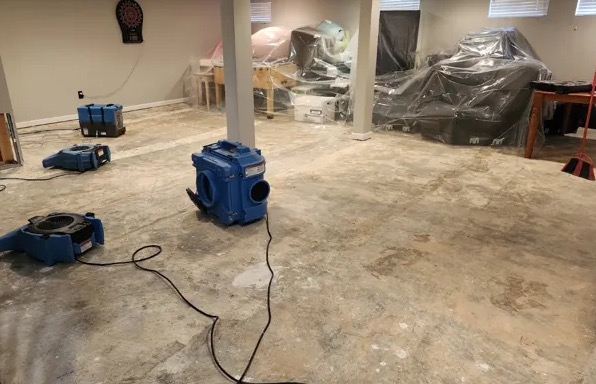
In Glendale, industrial drying equipment is deployed to return wood and concrete to dry conditions. This process removes the essential water element mold requires to survive.
Detecting the Need for Black Mold Removal from Water Damage
Past Incomplete Water Cleanup
If previous water damage wasn't fully dried, black mold can develop. This necessitates emergency mold removal to stop further contamination.
Recent Water Damage Events
Any past flooding, leaks, or high humidity can lead to black mold. Mold can start growing within 24-48 hours after water exposure.
Condensation on Windows
Excessive condensation creates the damp environment black mold thrives in. This is a key factor in mold after water damage situations.
Warped or Buckling Flooring
Wood floors or laminate that warps often has moisture underneath. This hidden moisture requires professional mold cleanup services for proper remediation.
How Black Mold Removal from Water Damage Works in Glendale
Step 1: Emergency Water Extraction
The immediate priority is removing all standing water to stop further damage. This water extraction and mold removal step uses powerful pumps and vacuums to dry the area fast.
Step 2: Mold Assessment and Containment Setup
The experts in Glendale perform a detailed black mold inspection to map contaminated zones. They establish containment with negative air pressure to isolate the area for mold cleanup services.
Step 3: Material Removal and Deep Cleaning
Irreversibly damaged materials are removed and disposed of following safety protocols. HEPA vacuuming and detailed cleaning of all surfaces follows to capture lingering spores.
Step 4: Application and Verification Testing
Antimicrobial solutions are applied to treat remaining mold. Post-remediation verification testing then confirms the air and surfaces are clean, completing the restoration process.
What Leads to Black Mold After Water Damage
Flooding from External Sources
Heavy rainfall or overflowing bodies of water can flood a property. This major water intrusion demands comprehensive water damage restoration services.
Foundation Cracks and Seepage
Cracks in your foundation allow groundwater to enter the structure. This constant moisture source makes mold prevention after water damage challenging.
HVAC System Condensation Issues
Clogged drain lines or faulty AC units can drip water inside. This cool, damp environment inside ductwork spreads mold spores throughout the home.
Gutter Clogs and Downspout Problems
Clogged gutters cause water to overflow and pool near the foundation. This water can seep into basements or crawl spaces, inviting mold.
Residential and Commercial Black Mold Removal from Water Damage in Glendale
Residential Black Mold Removal from Water Damage
When water damage leads to black mold, it compromises a house's integrity. The pros execute structural drying to save materials and prevent costly repairs.
Commercial Black Mold Removal from Water Damage
The experts manage mold cleanup for commercial properties to help prevent liability. They handle large-scale water extraction and removal projects using industrial equipment.
Why Black Mold Removal from Water Damage Often Requires Local Experts
For a small leak, immediately stop the source and remove standing water. If drywall or subflooring is soaked, contact the experts in Glendale to help prevent mold.
Factors in Black Mold Removal from Water Damage Pricing for Glendale
Pricing for black mold removal in Glendale varies with mold toxicity and labor for containment. Disposal of contaminated materials and antimicrobial application influence the cost.
Access and Location
Difficult-to-reach areas like crawlspaces or tight attics increase labor time and complexity for the pros, raising the project's cost estimate.
Restoration Repair Needs
The extent of rebuilding, such as drywall replacement or flooring installation after mold removal, constitutes a significant separate portion of the total project investment.
Post-Remediation Verification
Independent clearance testing via post-remediation verification to confirm successful mold removal is a definitive, non-negotiable final step with its own associated fee.
Does Insurance Cover Black Mold Removal from Water Damage?
Insurance for mold removal after water damage depends on a policy's 'cause of loss'. Experts focus on source containment and remediation, providing a detailed report for the claim.
Benefits of Local Experts for Black Mold Removal from Water Damage
IICRC-Standard Remediation Methods
The process follows established industry protocols for safety and effectiveness, from inspection to post-remediation verification, ensuring a thorough job.
EPA-Registered Antimicrobials
After removal and cleaning, approved antimicrobial solutions are applied to treated surfaces to help inhibit future microbial growth effectively.
HEPA Filtration Air Scrubbing
Continuous air scrubbing with HEPA filters captures airborne mold spores during work, protecting air quality throughout the remediation process.
Emergency Black Mold Removal in Glendale, MA
Black mold poses serious health risks and spreads after water damage. For emergency mold removal in Glendale, call (617) 682-9090. The experts respond to begin containment and assessment.
Call Now (617) 682-9090Black Mold Removal from Water Damage Availability in the Glendale Region
The places below are also served, and each one has its own page.
- Black Mold Removal from Water Damage in Malden
- Black Mold Removal from Water Damage in Linden
- Black Mold Removal from Water Damage in Chelsea
- Black Mold Removal from Water Damage in Revere
- Black Mold Removal from Water Damage in Medford
- Black Mold Removal from Water Damage in Boston
- Black Mold Removal from Water Damage in Melrose
- Black Mold Removal from Water Damage in Somerville
Black Mold Removal from Water Damage FAQ for Glendale Homeowners
Can I stay in my home during black mold removal?
For small jobs, it may be possible. For larger toxic mold remediations, temporary relocation is often recommended during material removal and cleaning.
What is water damage source containment?
This first step identifies and stops the water intrusion source. The affected area is isolated to prevent cross-contamination during the water damage restoration process.
Why is emergency mold removal often necessary?
Mold spreads rapidly, and delaying action allows it to colonize new areas, raising health risks and costs. A 24/7 emergency response helps contain the problem quickly.
What happens during structural drying and dehumidification?
Industrial air movers and dehumidifiers evaporate moisture from materials and capture it from the air. This drying prevents further microbial growth.
How do professionals perform black mold inspection and testing?
Inspection involves visual assessment and moisture mapping. Air and surface sampling can identify mold type and concentration, helping plan the remediation process.