Melrose, MA · Middlesex County
Ceiling Water Damage Restoration in Melrose, MACeiling Leak Water Cleanup & Ceiling Drying Services
Ceiling Water Damage Restoration in Melrose handles emergency ceiling water extraction, ceiling water stain removal, and ceiling mold prevention.
Answered 24/7
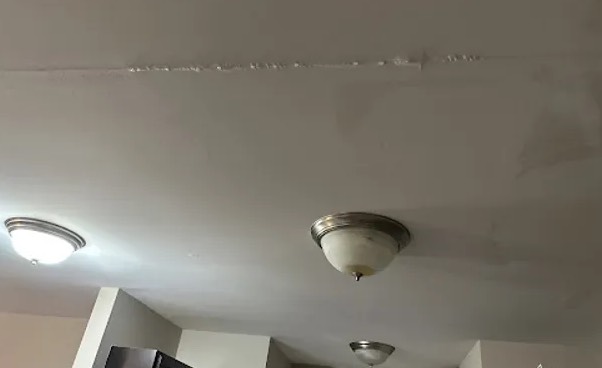
Expert Ceiling Water Damage Restoration for Melrose
For properties in Melrose, effective ceiling water damage restoration hinges on rapid intervention. The initial steps include emergency water extraction and immediate commencement of the drying process to stop water from spreading into walls and insulation.
Ceiling water damage restoration for the Melrose area focuses on halting water intrusion and initiating rapid drying. Local water removal pros handle roof leak ceiling water removal and ceiling leak water cleanup, serving this community and nearby locations like Malden, Linden and Stoneham.
Local Ceiling Water Damage Restoration Services in Melrose
Ceiling Leak Water Cleanup
Ceiling leak cleanup involves extracting water from both the visible surface and the hidden spaces above. Moisture meters map the damp areas.
Ceiling Drying Services
Local water damage pros deploy industrial air movers and dehumidifiers to create airflow and remove moisture from the air and building materials. It prevents warping and mold.
Wet Ceiling Drywall Removal
Wet drywall in a ceiling can sag and eventually collapse. Careful cutting keeps dust down and leaves a clean edge for repair.
Ceiling Mold Prevention
To prevent mold on a water-damaged ceiling, every trace of moisture must be removed. Humidity and material moisture are brought back to normal.
Ceiling Moisture Inspection
Suspected ceiling leaks warrant a moisture inspection. In Melrose, the professionals perform this diagnostic step to locate all affected areas, which is foundational for any effective water damage response.
When to Schedule Ceiling Water Damage Restoration for Your Ceiling
Peeling Paint or Texture
Paint or popcorn texture peeling from your ceiling is a moisture sign. This requires inspection to assess the extent of water damage.
Soft Spots to the Touch
A ceiling that feels soft or spongy when pressed is waterlogged. Wet ceiling repair by the pros are urgently needed.
Sagging or Bubbling Drywall
A ceiling that sags or shows bubbling indicates trapped water. Wet ceiling drywall removal may be necessary to address the compromised area.
Persistent Dripping Sounds
Hearing constant dripping from above often means an active leak. Emergency ceiling water extraction can stop further ceiling water damage.
How Ceiling Water Damage Restoration Works in Melrose
Step 1: First Call and Water Containment
A 24/7 response contains the water quickly. The pros in Melrose set up containment barriers and begin extracting visible water.
Step 2: Detailed Moisture Mapping
No-touch moisture detection ceiling tools identify wet areas behind walls and above ceilings. This map guides all subsequent drying and removal efforts precisely.
Step 3: Aggressive Drying With Industrial Equipment
Industrial-grade air movers force evaporation, while dehumidifiers capture the airborne moisture. This aggressive approach is the core of professional ceiling drying services.
Step 4: Documentation for Insurance and Repair
Throughout the job, detailed logs of moisture readings and photos are kept.
Common Causes of Ceiling Water Damage
Foundation or Wall Cracks
Water entering through foundation cracks can wick up through walls and, over time, reach lower ceilings and drywall.
Roof Leaks From Storms
Damaged shingles or flashing from wind and rain allow water inside. A roof leak lets water into the ceiling.
HVAC Condensation Drainage Issues
A clogged condensate drain line from an attic air handler can overflow. This constant drip causes significant ceiling water damage over time.
Bathroom Vent Fan Exhaust
A bathroom fan that vents into the attic, not outside, deposits moist air. This promotes mold growth on ceiling materials and framing over time.
Both Residential & Commercial Ceiling Water Damage Restoration
Residential Ceiling Water Damage Restoration
The pros in Melrose coordinate drying, removal of damaged materials, and reconstruction. Their detailed moisture inspection report helps provide information to the insurer.
Commercial Ceiling Water Damage Restoration
The experts implement containment strategies to limit the spread, performing ceiling water damage repair with minimal disruption to other tenants. They provide clear documentation to assist with liability determinations.
Why Ceiling Water Damage Restoration is a Job for Local Pros
Regularly checking washing machine hoses for leaks is a good DIY maintenance habit. Make sure downspouts send water away from the foundation. If a leak causes ceiling damage, calling for emergency ceiling water extraction limits the harm.
Budgeting for Ceiling Water Damage Restoration in Melrose
In Melrose, cost can include extras like mold treatment or a minor roof repair before the interior work starts.
Emergency Service Timing
Emergency ceiling water extraction calls outside standard business hours may involve premium rates for after-hours work to halt worsening damage.
Ceiling Material Type
Drywall, plaster and textures like popcorn ceilings differ in material and labor costs.
Equipment Requirements
The number of air movers, dehumidifiers, and moisture meters needed for ceiling drying services scales with the size and severity of the leak.
Does Insurance Cover Ceiling Water Damage Restoration?
Many homeowner's policies cover sudden ceiling water damage from events like a burst pipe. The pros document all damage with photos and moisture readings for the claim. Coverage decisions belong to the insurer, so review policy details.
The Value of Professional Ceiling Water Damage Restoration
Controlled Demolition Approach
Precise wet ceiling drywall removal preserves undamaged materials and allows for targeted drying of wooden framing, reducing overall repair scope and cost.
Mold Prevention Focus
Applying EPA-registered antimicrobials during the ceiling drying services inhibits mold growth on ceiling surfaces and inside wall cavities where spores can thrive.
Thorough Water Extraction
Powerful truck-mounted or portable extractors remove bulk water from ceilings and insulation quickly, a critical first step in all water mitigation services.
Emergency Ceiling Water Damage Restoration Available Now
A ceiling leak can bring down drywall and soak the room below. Call (617) 682-9090 at any hour for wet ceiling help in Melrose.
Call Now (617) 682-9090Ceiling Water Damage Restoration Throughout the Melrose Region
The places below are also served, and each one has its own page.
- Ceiling Water Damage Restoration in Malden
- Ceiling Water Damage Restoration in Linden
- Ceiling Water Damage Restoration in Stoneham
- Ceiling Water Damage Restoration in Saugus
- Ceiling Water Damage Restoration in Glendale
- Ceiling Water Damage Restoration in Boston
- Ceiling Water Damage Restoration in Medford
- Ceiling Water Damage Restoration in Somerville
Ceiling Water Damage Restoration Information and Answers
What causes recurring ceiling leaks after previous repair?
Recurrence often points to an unresolved external source, like a persistent roof leak, or an internal plumbing issue that was not fully identified and repaired during the initial incident.
How does the ceiling drying process prevent future odor issues?
Drying removes the moisture that bacteria and mold need to grow, which are the primary sources of musty odors following water damage in ceilings and wall cavities.
What is included in professional ceiling drying services?
Services include setting up high-velocity air movers to evaporate moisture, dehumidifiers to remove water vapor from the air, and continuous monitoring with meters until materials reach dry standards.
Can ceiling water damage lead to structural problems?
Prolonged wetness can weaken wooden ceiling joists and rafters, potentially leading to sagging or compromised integrity. Proper drying of these structural elements is a key part of restoration.
How is ceiling leak water removal different from floor water removal?
Overhead work requires special equipment for extraction and drying, often involves attic access, and carries the added risk of material collapse, demanding careful safety protocols.