Boston, MA · Suffolk County
Heating Unit Mold Cleanup in Boston, MAEvaporator Coil Mold Removal & Vent Register Mold Cleaning
Heating Unit Mold Cleanup for Boston addresses ductwork sealing, post-remediation air testing, HVAC mold inspection, and furnace mold cleanup.
Answered 24/7
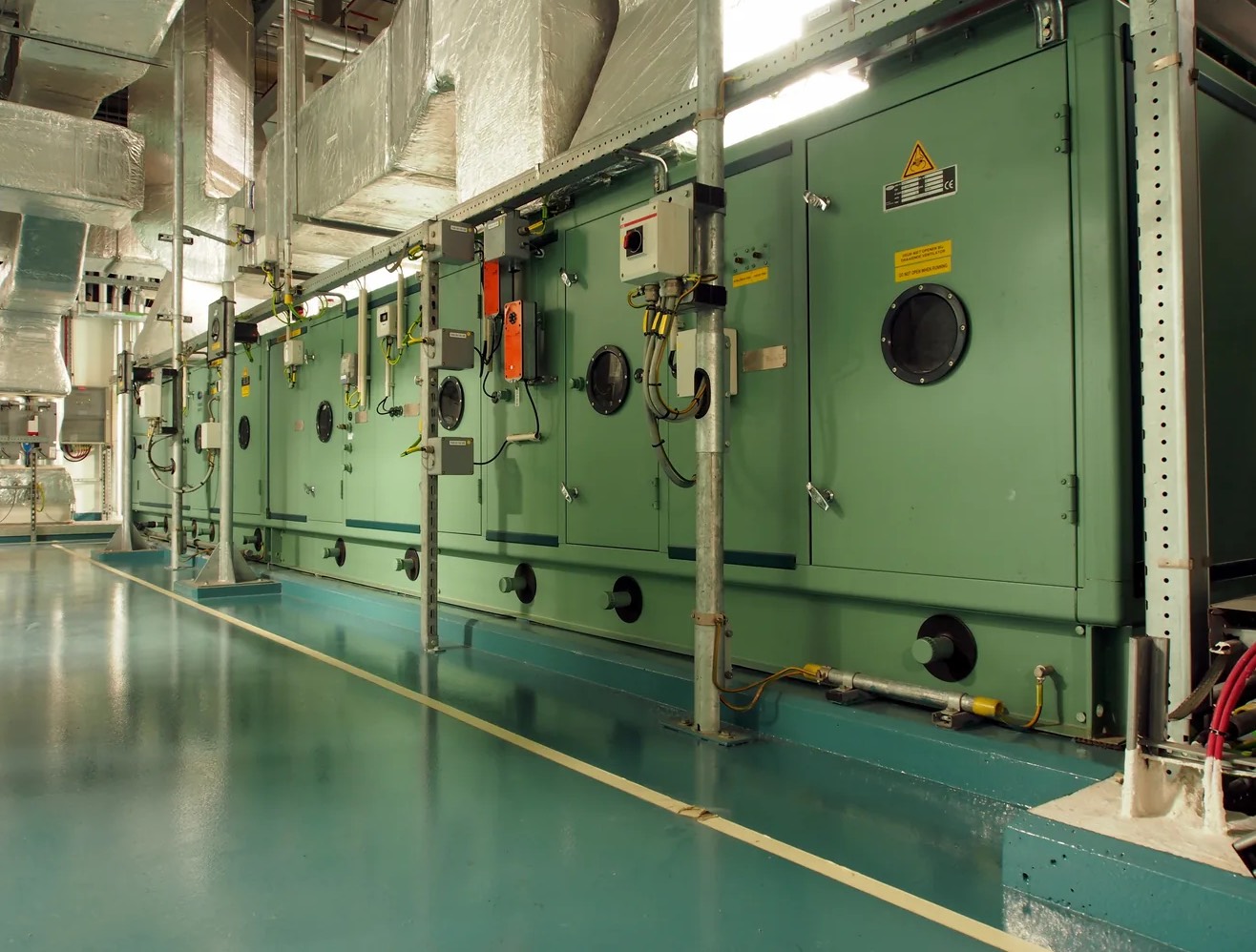
Professional Heating Unit Mold Cleanup in Boston, MA
In heating units, mold can grow in dust inside the ducts or on damp evaporator coils, causing musty odors and lower efficiency.
Heating unit mold cleanup is available in Boston and nearby areas like South Boston, Cambridge and Chelsea. Mold in HVAC systems spreads quickly through the ducts and into indoor air. Local HVAC restoration experts tailor the work to each home.
Complete Heating Unit Mold Cleanup Solutions in Boston
Evaporator Coil Mold Removal
Mold on coils reduces efficiency and circulates spores. The experts perform careful cleaning. This is often included in full heating unit mold cleanup.
Vent Register Mold Cleaning
Mold accumulates on grilles from condensation. The experts clean these components. This is part of complete heating unit mold cleanup service.
Air Duct Mold Remediation
Remediating mold in ducts requires containing sections. The experts use negative air machines and antimicrobial treatments. This is key for complete heating unit mold cleanup.
Furnace Mold Cleanup
Furnace mold cleanup targets growth in the blower and heat exchanger. The experts disassemble components to clean surfaces. This is often part of broader heating unit mold cleanup.
Post-Remediation Air Testing
The experts perform strategic air sampling of the air handler output and key rooms. This post-remediation air testing analyzes spore concentrations as a quality assurance measure.
Symptoms That Call for Heating Unit Mold Cleanup
Clogged Air Filters Quickly
Air filters that become dirty unusually fast can be trapping mold spores from contaminated ductwork or air handler.
Musty Odors from Vents
A persistent musty smell when the heating system runs indicates mold growth inside air ducts or the furnace.
Humid or Stuffy Indoor Air
Consistently humid air indoors suggests poor HVAC performance, potentially from mold clogging the evaporator coil or air handler.
Black Specks in Airflow
Seeing small black particles blowing from vents is a direct indicator of mold spore release from ductwork.
How Heating Unit Mold Cleanup Works in Boston
Step 1: Access and Preparation of HVAC System
The experts safely open access panels and prepare the furnace and ductwork for the heating unit mold cleanup procedure.
Step 2: Mechanical Cleaning of Contaminated Ducts
They use compressed air whips and rotating brushes to dislodge mold from duct walls, followed by immediate HEPA vacuum extraction.
Step 3: Targeted Furnace Mold Cleaning
The furnace interior, including the blower assembly and heat exchanger, receives specialized furnace mold cleaning and sanitizing treatment.
Step 4: Final Sanitizing and Sealing Application
A protective sanitizing sealant may be applied to duct interiors, and any leaks are sealed, concluding the ductwork mold cleaning service.
Typical Causes for Heating Unit Mold Issues
Improper Furnace Maintenance
Neglected furnace cleaning allows dust and organic debris to accumulate, which mold uses as a food source when damp.
High Indoor Humidity Levels
Excess moisture in the air condenses on cool HVAC components like evaporator coils, creating a mold breeding ground.
Leaking Roof Above HVAC
Water intrusion from a roof leak near HVAC equipment can drip directly into air ducts or the furnace cabinet.
Post-Flood HVAC Operation
Running the furnace or AC after a flood without cleaning first forces moisture and mold spores through the entire system.
Residential and Commercial Heating Unit Mold Cleanup in Boston
Residential Heating Unit Mold Cleanup
For houses, the work includes furnace mold cleaning and vent cleaning to remove both visible and hidden contamination. Clean airflow without musty odors returns to every room.
Commercial Heating Unit Mold Cleanup
Commercial HVAC systems need mold removed from every unit and duct run. The experts clean mold from all heating, cooling and air distribution parts of the building.
DIY Mold Cleaning vs. Professional Heating Unit Mold Cleanup
Monitoring indoor humidity with a hygrometer and keeping levels below 60% is a proactive DIY measure. If you see condensation on ducts, improve insulation as a preventive step. Actual mold growth within the heating system requires specialized equipment and IICRC-standard methods only the experts provide for air duct disinfection.
Cost Considerations for Heating Unit Mold Cleanup in Boston
In Boston, the final cost for heating unit mold cleanup is shaped by the accessibility of your ductwork and the extent of spore colonization.
Accessibility Challenges
Hard-to-reach duct runs or tightly packed mechanical rooms can increase the time needed for furnace mold cleanup.
Disposal Requirements
The cost for safe disposal of contaminated materials, like insulation or filters, is factored into the final service price.
Containment Needs
Setting up proper containment to isolate the HVAC system during mold spore removal adds to material and setup expenses.
Does Insurance Cover Heating Unit Mold Cleanup?
Whether a property insurance policy covers Heating Unit Mold Cleanup depends entirely on the cause of loss listed in the policy documents. Coverage is not automatic and requires the insurer's specific approval for the claim after their review.
Advantages of Hiring HVAC Restoration Experts in Boston
System Integrity Checks
During service, components are inspected; ductwork sealing and repair may be identified to improve system performance post-cleanup.
Containment Protocols
Setting up containment during ductwork mold cleaning helps prevent the spread of spores to other areas of your home.
Comprehensive System Approach
The process addresses the entire air pathway, from furnace mold cleaning to vent and register cleaning, for a complete solution.
24/7 Heating Unit Mold Cleanup Assistance in Boston
If suspected widespread mold in a forced air system requires immediate intervention, emergency heating system mold removal help is accessible. Call (617) 682-9090 to reach the pros who can advise on next steps.
Call Now (617) 682-9090Heating Unit Mold Cleanup Service Area Including Boston
Other places served are listed below, each with its own page.
- Heating Unit Mold Cleanup in South Boston
- Heating Unit Mold Cleanup in Cambridge
- Heating Unit Mold Cleanup in Chelsea
- Heating Unit Mold Cleanup in Somerville
- Heating Unit Mold Cleanup in Brookline
- Heating Unit Mold Cleanup in Medford
- Heating Unit Mold Cleanup in Melrose
- Heating Unit Mold Cleanup in Linden
Frequently Asked Questions About Heating Unit Mold Cleanup
What does mold spore removal from HVAC involve?
It involves using HEPA vacuums, agitation tools, and antimicrobial agents to physically remove and kill spores from system surfaces and the air stream.
Is air duct mold cleanup different from standard duct cleaning?
Yes, mold cleanup involves specific biocides and containment protocols to kill and remove active mold, not just dust and debris removal.
Are chemicals used in air duct disinfection safe?
The experts use EPA-registered biocides approved for use in HVAC systems, applied according to label directions to kill mold while prioritizing safety.
Can mold return after heating unit sanitization?
If the underlying moisture source isn't fixed, regrowth is possible; the cleanup addresses the existing mold, but moisture control is key for long-term results.
Does furnace mold cleaning require system replacement?
Not usually; professional cleaning of internal components often resolves the issue, though severe, long-term damage could necessitate part or full replacement.