Boston, MA · Suffolk County
Black Mold Remediation & Removal in Boston, MAMold-Contaminated Material Removal & HEPA Vacuuming For Mold Spores
Proper black mold remediation & removal in Boston demands mold containment procedures, post remediation verification, and moisture source correction.
Answered 24/7
Professional Black Mold Remediation & Removal in Boston, MA
Black mold in a Boston property needs proper containment and removal. Testing can identify the species, but removal must not spread spores.
Local mold damage pros in Boston implement mold containment procedures and antimicrobial treatment for mold remediation to combat persistent growth. Their process includes air quality testing and moisture source correction, serving properties in Boston and nearby communities like South Boston, Cambridge and Chelsea.
Detailed Black Mold Remediation & Removal Process in Boston
Mold-Contaminated Material Removal
Moldy material removal involves the safe disposal of items that cannot be adequately cleaned. Non-porous surfaces may be salvageable through intensive cleaning, but porous materials usually require replacement.
HEPA Vacuuming for Mold Spores
After material removal, HEPA vacuuming is performed on all surfaces within the contained area. It removes settled spores and fine dust after demolition.
Black Mold Inspection
Black mold inspection involves a detailed visual assessment and may include moisture mapping to find the source of the problem. The result is a removal plan for your home.
Mold Containment Procedures
Mold containment procedures are critical to prevent spores from spreading during remediation.
Post Remediation Verification
Verification checks the work after remediation. It confirms the area is visibly clean and the air is fit to reoccupy.
Indicators for Black Mold Remediation & Removal in Your Home
Persistent Musty Odors
A strong, earthy smell that lingers in certain rooms or areas often points to hidden mold growth behind walls or under flooring.
Visible Black or Green Mold
Patches of black, green, or gray fuzzy mold on walls, ceilings, or baseboards are a clear sign of an active mold problem.
Black Dust Around Vents
Dark dust collecting around air supply vents can indicate mold spores are being distributed through your HVAC system.
Recent Water Damage History
Previous leaks, flooding, or high humidity events create the perfect environment for toxic mold to begin growing unseen.
How Black Mold Remediation & Removal Works in Boston
Step 1: Initial Evaluation and Testing
An evaluation includes visual inspection and sometimes mold testing to map the affected areas and plan the black mold cleanup strategy.
Step 2: Isolating the Contaminated Area
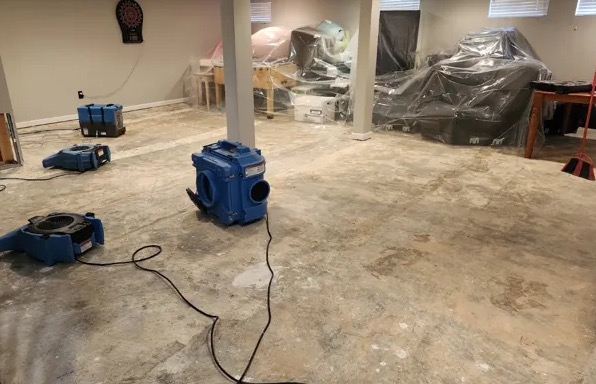
Sealing the workspace with plastic sheeting and negative air pressure is a key mold containment procedure to stop spores from spreading during the mold abatement work.
Step 3: Eradication and Sanitization
The specialists remove infested materials. Then, detailed HEPA vacuuming for mold spores and an antimicrobial treatment for mold remediation sanitize the area.
Step 4: Ensuring a Lasting Solution
Verification testing ends the job. Fixing the moisture source prevents a repeat.
Typical Sources Requiring Black Mold Remediation
Poor Bathroom Ventilation
Inadequate exhaust fans allow steam from showers to saturate walls and ceilings, creating a perfect habitat for black mold growth.
Inadequate Attic Ventilation
Poor airflow in the attic traps heat and moisture from the living space below, promoting mold growth on roof sheathing and insulation.
Condensation on Cold Surfaces
Warm, moist air contacting cold pipes, windows, or exterior walls causes condensation, which soaks into materials and feeds mold growth.
Flooding From Storms or Appliances
Major water intrusion from storms or appliance failures soaks building materials. Prompt water extraction and drying help keep mold from starting.
Black Mold Remediation & Removal Services for All Properties in Boston
Residential Black Mold Remediation & Removal
The pros in Boston perform cleaning and may recommend air scrubber installation to improve overall indoor air quality after remediation.
Commercial Black Mold Remediation & Removal
In commercial settings like hotels or apartment complexes, widespread mold issues demand scalable solutions. The experts coordinate large-scale containment, removal, and post-remediation verification to protect numerous occupants.
Black Mold Remediation & Removal Professionals vs. DIY Attempts in Boston
You can visually inspect your home for signs of water stains or condensation as part of routine upkeep. Discovering significant mold contamination, especially the toxic black variety, means it's time to call the pros for mold abatement and post-remediation verification.
Cost Considerations for Black Mold Remediation & Removal in Boston
The complexity of containment procedures, necessary to prevent cross-contamination during the mold abatement process, significantly influences overall service pricing due to labor, material, and equipment setup time.
Moisture Source Correction
Identifying and repairing the root cause, like a leaky pipe or poor ventilation, adds plumbing or carpentry service costs.
Material Removal Volume
The amount of drywall, insulation, or flooring that is unsalvageable and requires disposal affects debris hauling and replacement costs.
Extent of Contamination
The square footage of mold growth and whether it's surface-level or deep within structural materials dictates labor and material scope.
Does Insurance Cover Black Mold Remediation & Removal?
Homeowners insurance may cover black mold removal if it results from a sudden, covered event like a burst pipe. The pros document the damage with photos and moisture readings; your insurer decides coverage.
The Value of Local Mold Damage Pros for Black Mold Remediation & Removal
Antimicrobial Treatment Application
Applying EPA-registered agents to cleaned surfaces inhibits future mold growth on framing and sub-surfaces after material removal.
Post Remediation Verification Testing
Final air and surface sampling provides objective confirmation that the mold abatement process achieved clearance standards.
Containment Barrier Installation
Sealing the work area with plastic sheeting prevents the cross-contamination of mold spores to clean parts of your property.
24/7 Emergency Black Mold Remediation & Removal in Boston, MA
Discover suspicious black mold growth? Spores can spread quickly. For assessment and containment by the pros, call (617) 682-9090 for 24/7 emergency service in Boston.
Call Now (617) 682-9090Black Mold Remediation & Removal Service Area Including Boston
The places below are also served, and each one has its own page.
- Black Mold Remediation & Removal in South Boston
- Black Mold Remediation & Removal in Cambridge
- Black Mold Remediation & Removal in Chelsea
- Black Mold Remediation & Removal in Somerville
- Black Mold Remediation & Removal in Brookline
- Black Mold Remediation & Removal in Medford
- Black Mold Remediation & Removal in Melrose
- Black Mold Remediation & Removal in Linden
Frequently Asked Questions About Black Mold Remediation & Removal
What equipment is used for mold damage restoration?
Pros use containment barriers and negative air machines, HEPA vacuums and air scrubbers, personal protective equipment, tools for controlled demolition, moisture meters for detection, and antimicrobial spraying equipment.
What health risks are associated with black mold?
Exposure to Stachybotrys spores can trigger allergic reactions, respiratory irritation, and worsen asthma, especially in sensitive individuals or with prolonged exposure.
What is the black mold remediation process?
The process covers inspection, containment, removal of contaminated materials, HEPA vacuuming, antimicrobial treatment and verification testing.
What does mold containment procedures involve?
It involves sealing the work area with plastic sheeting and using negative air pressure with HEPA filters to prevent mold spores from spreading to clean zones.
How does HEPA vacuuming for mold spores work?
After material removal, all remaining surfaces are vacuumed with HEPA-filtered equipment to capture any lingering spores and fine debris from the affected area.