Melrose, MA · Middlesex County
Black Mold Remediation & Removal in Melrose, MAHEPA Vacuuming For Mold Spores & Moisture Source Correction
Proper black mold remediation & removal in Melrose demands mold containment procedures, post remediation verification, and moisture source correction.
Answered 24/7
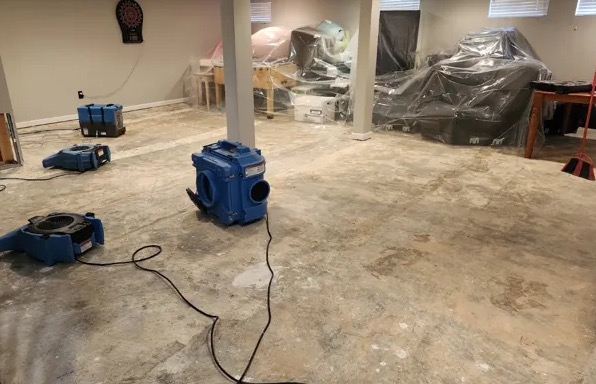
Black Mold Remediation & Removal: Solutions for Melrose Homes
Toxic mold removal in Melrose protects both property value and occupant health. Delaying action can increase mold remediation cost due to expanded damage, making early work by mold removal experts a wise investment.
The specialists in Melrose implement mold containment procedures and antimicrobial treatment for mold remediation to combat persistent growth. Their process includes air quality testing and moisture source correction, serving properties in Melrose and nearby communities like Malden, Linden and Stoneham.
Black Mold Remediation & Removal Services for Melrose
HEPA Vacuuming for Mold Spores
In the Melrose area, the specialists use HEPA vacuuming as a standard cleaning procedure. It removes lingering contaminants from surfaces.
Moisture Source Correction
Correcting the moisture problem is a fundamental part of any lasting mold remediation. Without this step, even removal work can be undone by recurring dampness and water intrusion.
Antimicrobial Treatment for Mold Remediation
After cleaning, antimicrobial agents are applied to affected surfaces to inhibit future mold growth. This treatment is part of the final steps to help prevent the problem from quickly returning.
Mold Containment Procedures
In Melrose, the pros implement strict containment procedures before disturbing any mold. It keeps the work site isolated and airborne spores under control.
Mold-Contaminated Material Removal
Porous materials like drywall, insulation, and carpeting that are heavily contaminated with black mold are typically removed and discarded. This removes most of the mold.
How to Know You Need Black Mold Remediation & Removal in Melrose
Condensation on Windows
Excessive condensation on windows or cold surfaces signals high indoor humidity, a primary factor for black mold in walls.
Persistent Musty Odors
A strong, earthy smell that lingers in certain rooms or areas often points to hidden mold growth behind walls or under flooring.
Damp Basement or Foundation Walls
Efflorescence, damp spots or general dampness in lower levels are ideal for black mold.
Visible Black or Green Mold
Patches of black, green, or gray fuzzy mold on walls, ceilings, or baseboards are a clear sign of an active mold problem.
How Black Mold Remediation & Removal Works in Melrose
Step 1: Detailed Scope and Moisture Mapping
The experts conduct an inspection to define the full scope, using tools to detect hidden moisture and plan the mold remediation process.
Step 2: Advanced Air Quality Management
Air scrubbers filter airborne particles during mold remediation, while containment helps limit their movement into adjacent spaces.
Step 3: Complete Material Removal and Treatment
The core of black mold removal is the safe disposal of contaminated drywall, insulation, or carpet.
Step 4: Final Inspection and Source Correction
The final action is moisture source correction, the key to long-term mold prevention success.
Primary Causes of Black Mold Damage in Melrose
Condensation on Cold Surfaces
Warm, moist air contacting cold pipes, windows, or exterior walls causes condensation, which soaks into materials and feeds mold growth.
Flooding From Storms or Appliances
Major water intrusion from storms or appliance failures soaks building materials. Prompt water extraction and drying help keep mold from starting.
Inadequate Attic Ventilation
Poor airflow in the attic traps heat and moisture from the living space below, promoting mold growth on roof sheathing and insulation.
Clogged or Damaged Gutters
Gutters that overflow or leak direct water against the siding and foundation, leading to saturated walls and structural mold problems.
Home and Business Black Mold Remediation & Removal in Melrose, MA
Residential Black Mold Remediation & Removal
The specialists in Melrose perform cleaning and may recommend air scrubber installation to improve overall indoor air quality after remediation.
Commercial Black Mold Remediation & Removal
In commercial settings like hotels or apartment complexes, widespread mold issues demand scalable solutions. The experts coordinate large-scale containment, removal, and post-remediation verification to protect numerous occupants.
Black Mold Remediation & Removal vs. DIY: When to Call Local Specialists
Using a dehumidifier in damp basements or crawlspaces can assist with mold prevention by controlling moisture levels. If you smell a persistent musty odor or experience health symptoms, stop DIY efforts and schedule an assessment with the specialists.
Understanding Black Mold Remediation & Removal Cost in Melrose
Mold remediation cost factors include the severity and persistence of the moisture source, such as a plumbing leak or faulty roof flashing, which dictates the scope of drying and corrective repairs needed.
Air Scrubber Requirements
The number and size of HEPA filtration units needed to clean the air during the mold remediation process influence equipment fees.
Accessibility Challenges
Mold in tight crawl spaces, behind finished walls, or in high attics requires more labor-intensive demolition and drying efforts.
Extent of Contamination
The square footage of mold growth and whether it's surface-level or deep within structural materials dictates labor and material scope.
Does Insurance Cover Black Mold Remediation & Removal?
Mold removal is covered only if your policy includes it and the mold came from a covered water loss. The specialists document the damage for your claim, and the insurer makes the decision.
Advantages of Hiring Mold Remediation Specialists in Melrose
Industry-Standard Remediation Methods
Containment, removal and cleaning take out mold colonies and help prevent regrowth.
Antimicrobial Treatment Application
Applying EPA-registered agents to cleaned surfaces inhibits future mold growth on framing and sub-surfaces after material removal.
Moisture Source Identification
Fixing the water problem, like a leak or condensation, keeps mold from returning.
24/7 Emergency Black Mold Remediation & Removal in Melrose, MA
For 24/7 emergency mold inspection and immediate containment procedures in Melrose, property owners can call the pros directly at (617) 682-9090.
Call Now (617) 682-9090Black Mold Remediation & Removal Service Area Including Melrose
Other places served are listed below, each with its own page.
- Black Mold Remediation & Removal in Malden
- Black Mold Remediation & Removal in Linden
- Black Mold Remediation & Removal in Stoneham
- Black Mold Remediation & Removal in Saugus
- Black Mold Remediation & Removal in Glendale
- Black Mold Remediation & Removal in Boston
- Black Mold Remediation & Removal in Medford
- Black Mold Remediation & Removal in Somerville
FAQ for Black Mold Remediation & Removal in Melrose
Can black mold in walls be completely removed?
Yes, by removing mold-infested drywall or sheathing, cleaning and treating the remaining framing with antimicrobials, and correcting the moisture source to prevent recurrence.
What equipment is used for mold damage restoration?
Pros use containment barriers and negative air machines, HEPA vacuums and air scrubbers, personal protective equipment, tools for controlled demolition, moisture meters for detection, and antimicrobial spraying equipment.
What does mold containment procedures involve?
It involves sealing the work area with plastic sheeting and using negative air pressure with HEPA filters to prevent mold spores from spreading to clean zones.
What is post remediation verification?
It is a final step where independent air and surface samples are taken after cleanup to scientifically verify that mold spore counts are within acceptable limits.
What is the difference between mold removal and abatement?
In the restoration industry, the terms are often used interchangeably. Both generally describe the professional process of eliminating mold contamination and returning indoor spore levels to a normal, safe range.