Brookline, MA · Norfolk County
Smoke Damage Sanitation in Brookline, MAStructural Smoke Deodorization & Soot Residue Cleaning
For homes in Brookline, Smoke Damage Sanitation includes smoke odor removal, soot residue cleaning and post-fire deep cleaning from local pros.
Answered 24/7
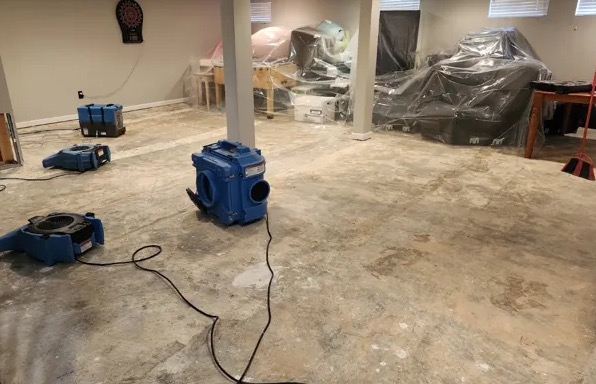
Local Soot Removal Experts for Smoke Damage Sanitation in Brookline
Smoke that spreads through a home in Brookline needs full odor removal and residue cleanup. Local soot removal experts start by removing burned debris and ventilating homes in Brookline, before deep cleaning begins.
Around Brookline, smoke cleanup uses thermal fogging for odor and HEPA vacuuming for soot. The experts handle homes and businesses, including board-up and duct cleaning, and also cover Cambridge, South Boston and Boston, with photos and notes at every step.
Smoke Damage Sanitation Methods Used in Brookline
Structural Smoke Deodorization
For severe odors, the experts may use ozone in sealed spaces to break down odor in wood or concrete.
Soot Residue Cleaning
Soot is acidic and stains or corrodes surfaces. The pros in Brookline use chemical sponges and pH-balanced cleaners to lift it from walls and ceilings safely.
Emergency Board-Up
The experts board up windows, doors and roof openings with plywood and tarps after a fire to prevent more damage in Brookline.
Smoke Odor Remediation
The experts in Brookline treat odor in fabrics, furniture and the structure with equipment that targets the source.
HVAC Duct Smoke Cleaning
Duct cleaning removes settled soot and deodorizes air passages, and an antimicrobial agent may be applied afterward.
How to Know You Need Smoke Damage Sanitation in Brookline
Smoke Odor Returns After Weather Changes
An odor that returns with humidity means smoke is stored deep in the structure.
Respiratory Irritation in the Building
Coughing or eye irritation indoors can mean smoke particles are still in the air.
Tacky or Oily Residue Feel
Sticky or tacky surfaces show oily soot that needs professional cleaning agents to remove.
Persistent Smoke Smell After Cleaning
A smoky smell that stays after your own cleaning means professional odor removal is needed.
How Smoke Damage Sanitation Works in Brookline
Step 1: Damage Documentation and Scope
The pros photograph and assess every area affected by smoke, soot and odor.
Step 2: Dry Soot Removal and Vacuuming
Loose, dry soot is vacuumed with HEPA filtration so it does not become airborne during cleaning.
Step 3: Wet Cleaning of Sticky Residues
Oily residue is cleaned with professional products made for safe, effective smoke residue removal.
Step 4: Air Scrubbing and Odor Remediation
Air scrubbers filter particles while deodorizing agents treat the source of the smoke smell.
Typical Fire Damage Causes in Brookline
Secondary Smoke From Neighboring Fires
Smoke from a neighboring fire can drift in and leave odors behind.
Smoldering Electrical Component Fires
Smoldering electrical fires produce acidic smoke that corrodes metal parts and electronics.
Fireplace or Chimney Backdraft
Smoke from a fireplace or chimney backdraft coats nearby rooms with soot.
Kitchen Grease Fire Residue
Grease fires leave sticky, strong-smelling soot that needs professional cleaning to remove.
Residential & Commercial Smoke Damage Sanitation in Brookline, MA
Residential Smoke Damage Sanitation
Homeowners get help from board-up through final deodorizing, including soot in light fixtures, on windowsills and inside closets.
Commercial Smoke Damage Sanitation
Large commercial buildings with high ceilings need soot cleaning scaled up, with work planned to limit business interruption.
Smoke Damage Sanitation vs. DIY Cleaning in Brookline
Photograph and video all damage for your insurer before cleaning anything, and close doors to contain the odor. Do not clean soot from electrical parts or inside the HVAC system yourself.
Cost Considerations for Smoke Damage Sanitation in Brookline
In Brookline, cost depends on how far soot spread, which surfaces it reached and whether specialized deodorizing equipment is needed.
Affected Surface Area
The total area of walls and ceilings to clean sets the labor hours and materials.
Extent of Smoke Penetration
Smoke deep in drywall or insulation needs more cleaning and deodorizing, which raises the cost.
Content Cleaning Needs
The number and type of belongings to clean, from furniture to electronics, affects the price.
Does Insurance Cover Smoke Damage Sanitation?
Coverage for smoke damage sanitation depends on your policy and the fire's cause. The experts document the damage with photos for your claim, and you confirm coverage with your insurer.
Why Choose Local Experts for Smoke Damage Sanitation in Brookline
24/7 Emergency Response
Quick action matters, since soot and odor get harder to remove the longer they sit.
Specialized Smoke Odor Removal
Thermal fogging and similar methods reach odor trapped in materials, beyond surface cleaning.
Thorough Damage Documentation
Notes and photos of every affected area support any insurance claim you file.
24/7 Smoke Damage Sanitation Help for Brookline
Smoke needs prompt attention to prevent permanent staining and odor. For 24-hour cleanup in and near Brookline, call (617) 682-9090 to start deodorizing and cleaning.
Call Now (617) 682-9090Local Smoke Damage Sanitation Areas Including Brookline
The places below are also served, and each one has its own page.
Smoke Damage Sanitation: Your Questions Answered
Can I clean smoke damage myself?
Home cleaning often spreads soot and pushes odor deeper; professional equipment removes it more completely.
What is structural smoke deodorization?
Treating framing and subfloors with sealers or deodorizers to lock in or neutralize odor that soaked in deeply.
What are the health risks of untreated smoke damage?
Smoke residue can irritate lungs and eyes and expose people to harmful compounds until it is removed.
What is involved in smoke damage sanitation?
Soot and residue cleaning, odor removal from the air and materials and often duct cleaning to stop odor from recirculating.
When is emergency board-up and tarping needed?
Right after a fire, to secure broken windows, doors or roof openings against weather and entry.