Wakefield, MA · Middlesex County
Black Mold Remediation & Removal in Wakefield, MAMoisture Control Consultation & Moisture Source Correction
A complete black mold remediation & removal in Wakefield begins with black mold inspection, HEPA vacuuming for mold spores, and antimicrobial treatment for mold remediation.
Answered 24/7
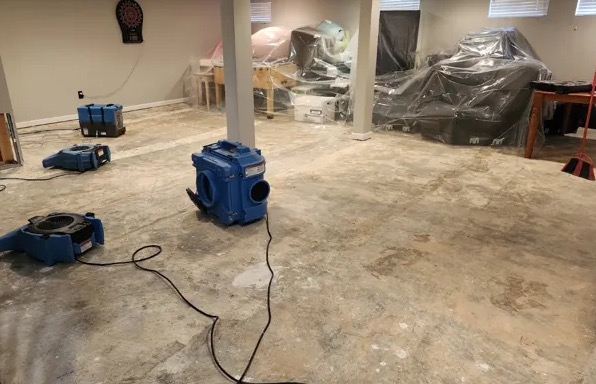
Expert Black Mold Remediation & Removal Available in Wakefield
Black mold in a Wakefield property needs proper containment and removal. Testing can identify the species, but removal must not spread spores.
Black mold remediation and removal for properties in Wakefield and nearby places like Reading, Stoneham and Melrose addresses localized moisture issues that foster toxic mold. The process includes HEPA vacuuming and antimicrobial treatment.
Black Mold Remediation & Removal Methods Used in Wakefield
Moisture Control Consultation
An inspection by local mold remediation pros evaluates air quality and surfaces to create a targeted remediation plan, addressing both visible colonies and airborne spores.
Moisture Source Correction
Mold remediation includes finding and fixing the water issue that allowed the mold. This could mean repairing a plumbing leak, sealing a foundation crack, or installing better bathroom ventilation.
Mold-Contaminated Material Removal
The pros in Wakefield follow protocols for the proper removal and bagging of mold-contaminated materials. It removes the source of the infestation.
Mold Containment Procedures
Mold containment procedures are critical to prevent spores from spreading during remediation.
HEPA Vacuuming for Mold Spores
After material removal, HEPA vacuuming is performed on all surfaces within the contained area. It removes settled spores and fine dust after demolition.
Warning Signs You Need Black Mold Remediation & Removal
Warped or Stained Drywall
Discoloration, bulging, or softening of drywall or ceiling materials points to moisture damage and likely mold contamination.
Damp Basement or Foundation Walls
Efflorescence, damp spots or general dampness in lower levels are ideal for black mold.
Persistent Musty Odors
A strong, earthy smell that lingers in certain rooms or areas often points to hidden mold growth behind walls or under flooring.
Unexplained Health Symptoms
Allergy-like symptoms such as coughing, sneezing, or itchy eyes that worsen inside your home can indicate poor air quality from mold spores.
How Black Mold Remediation & Removal Works in Wakefield
Step 1: Professional Mold Inspection
The process begins with a detailed mold inspection to assess the extent of contamination, identify moisture sources, and determine the scope of the black mold remediation project.
Step 2: Containment and Air Filtration
Mold containment procedures are established using physical barriers, and air scrubbers run continuously to capture airborne spores and prevent cross-contamination during the mold removal services.
Step 3: Removal and Cleaning
Mold-contaminated porous materials are safely removed. All remaining surfaces undergo HEPA vacuuming for mold spores followed by an antimicrobial treatment for mold remediation.
Step 4: Verification and Moisture Control
Verification confirms the area is clean and dry. The final, critical step is moisture source correction to prevent the mold problem from returning.
Typical Sources Requiring Black Mold Remediation
Roof Leaks and Plumbing Failures
Slow roof or pipe leaks put moisture into wall cavities and ceilings, where mold grows unseen.
Clogged or Damaged Gutters
Gutters that overflow or leak direct water against the siding and foundation, leading to saturated walls and structural mold problems.
Flooding From Storms or Appliances
Major water intrusion from storms or appliance failures soaks building materials. Prompt water extraction and drying help keep mold from starting.
High Indoor Humidity Levels
Consistently high humidity from daily activities or a faulty AC unit provides the constant moisture mold spores need to thrive and spread.
Black Mold Remediation & Removal for Homes and Businesses in Wakefield
Residential Black Mold Remediation & Removal
Bathrooms and kitchens are high-risk residential areas for mold due to steam and leaks. The mold remediation process here focuses on moisture source correction and antimicrobial treatment to prevent regrowth.
Commercial Black Mold Remediation & Removal
Restaurants and fitness centers face unique mold risks from constant humidity and water use. Specialists in mold damage restoration address these environments with aggressive drying and material removal protocols.
DIY Mold Removal vs. Professional Black Mold Remediation & Removal
If mold returns or covers more than a few square feet, call the pros for a professional mold remediation assessment to identify moisture sources and plan the work.
Pricing for Black Mold Remediation & Removal Services in Wakefield
The complexity of containment procedures, necessary to prevent cross-contamination during the mold abatement process, significantly influences overall service pricing due to labor, material, and equipment setup time.
Accessibility Challenges
Mold in tight crawl spaces, behind finished walls, or in high attics requires more labor-intensive demolition and drying efforts.
Extent of Contamination
The square footage of mold growth and whether it's surface-level or deep within structural materials dictates labor and material scope.
Material Removal Volume
The amount of drywall, insulation, or flooring that is unsalvageable and requires disposal affects debris hauling and replacement costs.
Does Insurance Cover Black Mold Remediation & Removal?
Insurance coverage for mold remediation cost is not certain. Policies vary widely; some exclude all mold, while others have strict limits. The pros create a record of the contamination and the necessary containment procedures to support a claim, but payment is the insurer's determination.
Reasons to Select Black Mold Remediation Pros in Wakefield for Mold
Comprehensive Mold Inspection
An assessment using moisture meters and visual checks identifies all affected areas, including hidden mold within wall cavities.
Antimicrobial Treatment Application
Applying EPA-registered agents to cleaned surfaces inhibits future mold growth on framing and sub-surfaces after material removal.
Post Remediation Verification Testing
Final air and surface sampling provides objective confirmation that the mold abatement process achieved clearance standards.
24/7 Emergency Black Mold Remediation & Removal in Wakefield, MA
Toxic mold poses health and property risks. If you see or smell mold, act quickly. Contact (617) 682-9090 any time for emergency black mold removal service initiation.
Call Now (617) 682-9090Black Mold Remediation & Removal Throughout the Wakefield Region
The places below are also served, and each one has its own page.
- Black Mold Remediation & Removal in Stoneham
- Black Mold Remediation & Removal in Melrose
- Black Mold Remediation & Removal in Saugus
- Black Mold Remediation & Removal in Woburn
- Black Mold Remediation & Removal in Lynn
- Black Mold Remediation & Removal in Nahant
- Black Mold Remediation & Removal in Belmont
- Black Mold Remediation & Removal in Brookline
Black Mold Remediation & Removal FAQs
How is moisture source correction performed?
Pros identify the root cause, such as a leak or condensation, and perform or recommend repairs like plumbing fixes or improved ventilation to stop water intrusion.
What happens during mold-contaminated material removal?
Porous materials like moldy drywall and insulation are carefully bagged and sealed on-site for disposal, preventing spore release during transport from your property.
What equipment is used for mold damage restoration?
Pros use containment barriers and negative air machines, HEPA vacuums and air scrubbers, personal protective equipment, tools for controlled demolition, moisture meters for detection, and antimicrobial spraying equipment.
How can mold prevention be maintained after remediation?
Keep humidity low, fix leaks promptly, vent bathrooms and kitchens and check damp-prone areas regularly.
Is mold testing necessary before remediation?
A professional mold inspection identifies the type and extent of mold, which guides the remediation plan. Post-remediation verification testing confirms the cleanup was successful.