Winthrop, MA · Suffolk County
Black Mold Remediation & Removal in Winthrop, MAHEPA Vacuuming For Mold Spores & Antimicrobial Treatment For Mold Remediation
Many black mold remediation & removal jobs in Winthrop include black mold inspection, mold-contaminated material removal, and antimicrobial treatment for mold remediation for black mold cleanup.
Answered 24/7
Get Black Mold Remediation & Removal Help in Winthrop, Massachusetts
Toxic mold removal in Winthrop protects both property value and occupant health. Delaying action can increase mold remediation cost due to expanded damage, making early work by mold removal experts a wise investment.
Local mold remediation specialists in Winthrop implement mold containment procedures and antimicrobial treatment for mold remediation to combat persistent growth. Their process includes air quality testing and moisture source correction, serving properties in Winthrop and nearby communities like Revere, Chelsea and Boston.
Black Mold Remediation & Removal Offerings for Winthrop Residents
HEPA Vacuuming for Mold Spores
After material removal, HEPA vacuuming is performed on all surfaces within the contained area. It removes settled spores and fine dust after demolition.
Antimicrobial Treatment for Mold Remediation
Antimicrobial application is a common follow-up treatment in the mold remediation process. It is used on the structural surfaces that remain after contaminated materials have been taken out.
Mold-Contaminated Material Removal
Porous materials like drywall, insulation, and carpeting that are heavily contaminated with black mold are typically removed and discarded. This removes most of the mold.
Moisture Control Consultation
First, all affected areas are found. The specialists map the contamination to plan containment and removal.
Moisture Source Correction
In Winthrop, mold comes back unless the water problem behind it is fixed, so moisture source correction is part of every lasting remediation.
Warning Signs You Need Black Mold Remediation & Removal
Visible Black or Green Mold
Patches of black, green, or gray fuzzy mold on walls, ceilings, or baseboards are a clear sign of an active mold problem.
Warped or Stained Drywall
Discoloration, bulging, or softening of drywall or ceiling materials points to moisture damage and likely mold contamination.
Deteriorating Attic or Crawlspace
Wet insulation, rotted wood or visible mold in these hidden spaces are common signs of a serious mold problem.
Black Dust Around Vents
Dark dust collecting around air supply vents can indicate mold spores are being distributed through your HVAC system.
How Black Mold Remediation & Removal Works in Winthrop
Step 1: Initial Evaluation and Testing
An evaluation includes visual inspection and sometimes mold testing to map the affected areas and plan the black mold cleanup strategy.
Step 2: Isolating the Contaminated Area
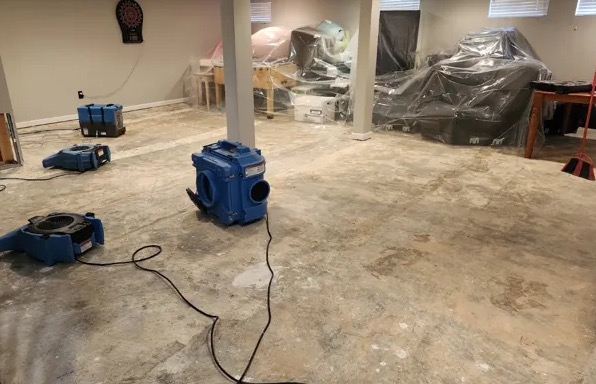
Sealing the workspace with plastic sheeting and negative air pressure is a key mold containment procedure to stop spores from spreading during the mold abatement work.
Step 3: Eradication and Sanitization
The specialists remove infested materials. Then, detailed HEPA vacuuming for mold spores and an antimicrobial treatment for mold remediation sanitize the area.
Step 4: Ensuring a Lasting Solution
Verification testing ends the job. Fixing the moisture source prevents a repeat.
Typical Sources Requiring Black Mold Remediation
Landscaping and Grading Issues
Soil sloping toward the foundation or dense planting against walls directs water into the structure, a key factor for mold prevention failure.
Inadequate Attic Ventilation
Poor airflow in the attic traps heat and moisture from the living space below, promoting mold growth on roof sheathing and insulation.
Condensation on Cold Surfaces
Warm, moist air contacting cold pipes, windows, or exterior walls causes condensation, which soaks into materials and feeds mold growth.
Roof Leaks and Plumbing Failures
Slow roof or pipe leaks put moisture into wall cavities and ceilings, where mold grows unseen.
Black Mold Remediation & Removal Services for All Properties in Winthrop
Residential Black Mold Remediation & Removal
Homeowners may discover mold in basements, crawlspaces, or around windows due to condensation. Fixing the moisture source and removing contaminated materials makes the home healthy again.
Commercial Black Mold Remediation & Removal
Offices, stores and schools need mold removal that limits downtime. Pros implement mold containment procedures and detailed documentation to support any necessary insurance claims for the property owner.
Black Mold Remediation & Removal vs. DIY: When to Call Local Specialists
If mold returns or covers more than a few square feet, call the specialists for a professional mold remediation assessment to identify moisture sources and plan the work.
Cost Considerations for Black Mold Remediation & Removal in Winthrop
The complexity of containment procedures, necessary to prevent cross-contamination during the mold abatement process, significantly influences overall service pricing due to labor, material, and equipment setup time.
Material Removal Volume
The amount of drywall, insulation, or flooring that is unsalvageable and requires disposal affects debris hauling and replacement costs.
Accessibility Challenges
Mold in tight crawl spaces, behind finished walls, or in high attics requires more labor-intensive demolition and drying efforts.
Antimicrobial Application
Treating all affected surfaces and cavity spaces with EPA-registered biocides after mold removal is a standard material expense.
Does Insurance Cover Black Mold Remediation & Removal?
Insurance coverage for mold damage restoration often depends on the source of the water. Mold from a sudden, accidental discharge may be covered, while mold from long-term humidity or neglect typically is not. Confirm your policy's mold endorsement with your insurance provider before remediation begins.
Benefits of Local Specialists for Black Mold Remediation & Removal
Post Remediation Verification Testing
Final air and surface sampling provides objective confirmation that the mold abatement process achieved clearance standards.
Safe Contaminated Material Removal
Mold-damaged drywall and insulation are bagged and sealed on-site for safe disposal, following local regulatory guidelines.
Antimicrobial Treatment Application
Applying EPA-registered agents to cleaned surfaces inhibits future mold growth on framing and sub-surfaces after material removal.
24/7 Emergency Black Mold Remediation & Removal in Winthrop
Discover suspicious black mold growth? Spores can spread quickly. For assessment and containment by the pros, call (617) 682-9090 for 24/7 emergency service in Winthrop.
Call Now (617) 682-9090Black Mold Remediation & Removal Throughout the Winthrop Region
Each place listed below has its own page with local details.
- Black Mold Remediation & Removal in Revere
- Black Mold Remediation & Removal in Chelsea
- Black Mold Remediation & Removal in Boston
- Black Mold Remediation & Removal in Glendale
- Black Mold Remediation & Removal in South Boston
- Black Mold Remediation & Removal in Cambridge
- Black Mold Remediation & Removal in Saugus
- Black Mold Remediation & Removal in Arlington
FAQ for Black Mold Remediation & Removal in Winthrop
Can black mold in walls be completely removed?
Yes, by removing mold-infested drywall or sheathing, cleaning and treating the remaining framing with antimicrobials, and correcting the moisture source to prevent recurrence.
What is post remediation verification?
It is a final step where independent air and surface samples are taken after cleanup to scientifically verify that mold spore counts are within acceptable limits.
What health risks are associated with black mold?
Exposure to Stachybotrys spores can trigger allergic reactions, respiratory irritation, and worsen asthma, especially in sensitive individuals or with prolonged exposure.
How does HEPA vacuuming for mold spores work?
After material removal, all remaining surfaces are vacuumed with HEPA-filtered equipment to capture any lingering spores and fine debris from the affected area.
What equipment is used for mold damage restoration?
Pros use containment barriers and negative air machines, HEPA vacuums and air scrubbers, personal protective equipment, tools for controlled demolition, moisture meters for detection, and antimicrobial spraying equipment.