Wakefield, MA · Middlesex County
Ceiling Water Damage Restoration in Wakefield, MACeiling Moisture Inspection & Ceiling Leak Water Cleanup
Ceiling Water Damage Restoration in Wakefield covers ceiling leak water cleanup, wet ceiling drywall removal, and ceiling drying services.
Answered 24/7
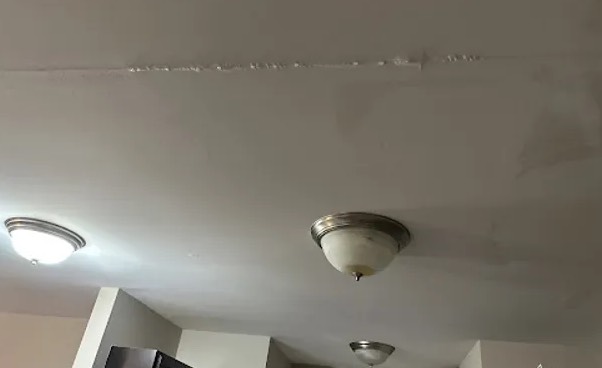
Expert Ceiling Water Damage Restoration for Wakefield
The threat of mold growth on the ceiling makes quick action on water damage in Wakefield essential. Mold can begin colonizing damp drywall paper and wood within 24 to 48 hours, leading to potential health concerns and more extensive remediation.
Ceiling water damage restoration in Wakefield and nearby areas like Reading, Stoneham and Melrose requires a methodical approach to address leaks and hidden moisture. Local water damage pros focus on preventing structural compromise and mold growth in these communities through extraction and drying.
Local Ceiling Water Damage Restoration Services in Wakefield
Ceiling Moisture Inspection
The pros in Wakefield use non-invasive moisture meters and thermal imaging cameras to map damp areas behind drywall and in insulation.
Ceiling Leak Water Cleanup
Water dripping from a ceiling requires fast action. The pros extract standing water and begin drying with commercial-grade equipment to prevent further damage to the structure overhead.
Ceiling Drying Services
Ceiling drying services involve strategic placement of drying equipment to circulate air above and below the affected plane. Moisture levels are checked daily.
Ceiling Mold Prevention
After ceiling water damage, preventing mold is a top concern. The pros in Wakefield treat cleaned surfaces and dry the area. This creates an environment where mold cannot easily regrow.
Ceiling Water Stain Removal
Water stains on ceilings remain after a leak dries. The pros in Wakefield apply specialized cleaners to remove these marks, typically during final repairs after drying is complete.
How to Know You Need Ceiling Water Damage Restoration
Visible Mold Patches
Black or green spots on the ceiling indicate active mold. Ceiling mold prevention strategies should follow professional mold remediation.
Condensation on Light Fixtures
Moisture collecting inside or around a ceiling light fixture is dangerous. It points to high humidity in the ceiling.
Soft Spots to the Touch
A ceiling that feels soft or spongy when pressed is waterlogged. Wet ceiling repair by the pros are urgently needed.
Cracking Along Ceiling Corners
Cracks where walls meet the ceiling can be caused by moisture movement. These require assessment as part of ceiling water damage repair.
How Ceiling Water Damage Restoration Works in Wakefield
Step 1: Initial Assessment and Safety Securing
First, the experts assess the damage and secure the area for safety, including electrical concerns.
Step 2: Water Mitigation and Extraction
Using submersible pumps and extractors, they perform emergency water extraction from the ceiling cavity. This stops the damage from spreading.
Step 3: Controlled Drying and Dehumidification
A strategic array of drying equipment creates a controlled environment to evaporate moisture. This controlled ceiling drying process safeguards against secondary mold damage.
Step 4: Sanitization and Mold Prevention
Affected structural members are cleaned and treated with antimicrobial agents. This sanitization is a key part of ceiling mold cleanup and long-term prevention.
Reasons for Ceiling Water Damage
HVAC Condensation Drainage Issues
A clogged condensate drain line from an attic air handler can overflow. This constant drip causes significant ceiling water damage over time.
Overflowing Bathtubs or Sinks
An accidental overflow from a second-floor bathroom can be a major incident. It needs extraction and drying.
Poor Attic Ventilation
Inadequate attic ventilation traps heat and moisture against the roof deck. This condensation can drip onto insulation and ceiling drywall below.
Roof Leaks From Storms
Damaged shingles or flashing from wind and rain allow water inside. A roof leak lets water into the ceiling.
Residential and Commercial Ceiling Water Damage Restoration in Wakefield
Residential Ceiling Water Damage Restoration
Homeowners face risks from sagging, stained ceilings and potential electrical hazards from light fixture leaks. The pros address hidden moisture in insulation to prevent long-term air quality issues.
Commercial Ceiling Water Damage Restoration
Office buildings, retail stores, and warehouses require a strategic approach to water mitigation services. Documentation for complex commercial insurance claims is a key part of the service.
Professional Ceiling Water Damage Restoration or a DIY Fix?
Regularly checking washing machine hoses for leaks is a good DIY maintenance habit. Make sure downspouts send water away from the foundation. If a leak causes ceiling damage, calling for emergency ceiling water extraction limits the harm.
What Influences Ceiling Water Damage Restoration Cost in Wakefield?
Local water damage restoration pricing around Wakefield considers the urgency of the response and the duration of equipment rental for the ceiling drying process. Contamination level from clean, gray, or black water sources is a key variable.
Emergency Service Timing
Emergency ceiling water extraction calls outside standard business hours may involve premium rates for after-hours work to halt worsening damage.
Mold Prevention Needs
If moisture detection ceiling inspection finds elevated humidity, antimicrobial treatments and added drying for ceiling mold prevention become necessary cost components.
Cosmetic Finish Restoration
After wet ceiling drywall removal and replacement, repainting, re-texturing, and ceiling water stain removal work contribute to the final restoration cost.
Does Insurance Cover Ceiling Water Damage Restoration?
Whether ceiling water stain removal and repainting are covered can vary by policy and the extent of necessary repair. The pros itemize all actions taken, from extraction to final restoration. You must submit this documentation to your insurance company for their evaluation.
Advantages of Hiring Ceiling Water Damage Pros in Wakefield
Industry-Standard Drying Methods
Drying prevents hidden moisture and mold in the ceiling cavity and attic.
Stain Removal Expertise
Stain treatments block mineral and tannin marks so they do not bleed through new paint.
Root Cause Consideration
While performing roof leak ceiling water removal, pros can advise on potential external causes to discuss with a roofer before interior repairs are finalized.
24/7 Ceiling Water Damage Restoration Response for Wakefield
Active water pouring through a ceiling demands fast action. Call (617) 682-9090 for emergency water extraction services in Wakefield day or night.
Call Now (617) 682-9090Communities Served for Ceiling Water Damage Restoration
The places below are also served, and each one has its own page.
- Ceiling Water Damage Restoration in Stoneham
- Ceiling Water Damage Restoration in Melrose
- Ceiling Water Damage Restoration in Saugus
- Ceiling Water Damage Restoration in Woburn
- Ceiling Water Damage Restoration in Lynn
- Ceiling Water Damage Restoration in Nahant
- Ceiling Water Damage Restoration in Belmont
- Ceiling Water Damage Restoration in Brookline
Ceiling Water Damage Restoration Information and Answers
How does the ceiling drying process prevent future odor issues?
Drying removes the moisture that bacteria and mold need to grow, which are the primary sources of musty odors following water damage in ceilings and wall cavities.
Is ceiling moisture inspection needed after the drying equipment is removed?
Yes. A final moisture check confirms the framing and insulation are dry before repairs begin.
What tools are used for moisture detection ceiling assessment?
Non-invasive moisture meters measure moisture content in materials, while thermal imaging cameras visualize temperature differences that indicate hidden damp areas behind walls or above.
How does ceiling mold prevention work during restoration?
After drying, the pros apply EPA-registered antimicrobial agents to cleaned ceiling surfaces and cavity framing to inhibit spore germination and mold in the previously wet environment.
How is ceiling leak water removal different from floor water removal?
Overhead work requires special equipment for extraction and drying, often involves attic access, and carries the added risk of material collapse, demanding careful safety protocols.